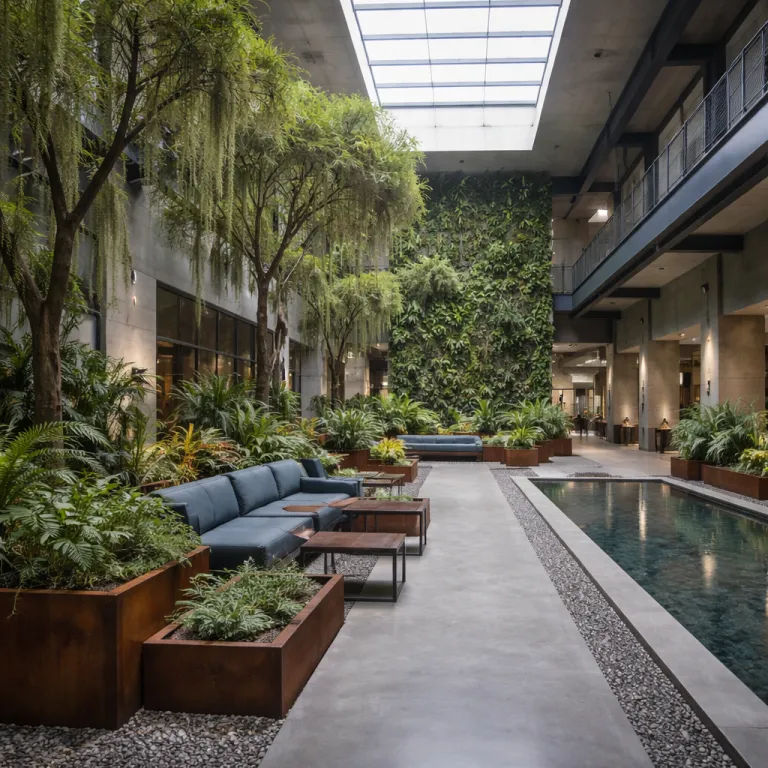
Biophilic hotel design nature as a new standard of luxury
Biophilic hotel design nature is no longer a niche experiment in hospitality. In luxury hotels and high end resort properties, nature based design now shapes how spaces are planned, how guests move, and how they feel during every part of the stay. Designers, architects, and environmental psychologists work together so that natural materials, plants, and natural light are not styling touches but structural decisions that define the guest experience.
Stephen R. Kellert, a pioneer of this movement, framed biophilic design as “the deliberate attempt to translate an understanding of the inherent human affinity to affiliate with natural systems and processes into the design of the built environment” (Kellert, Biophilic Design: The Theory, Science, and Practice of Bringing Buildings to Life, 2008, co edited with Judith Heerwagen and Martin Mador). That simple line quietly rewrote the rulebook for hotel interiors. When you walk into a hotel resort lobby where the ceiling is lined with bamboo, the air is cooled by an indoor water feature, and the colour palette mirrors the surrounding flora and fauna, you are stepping into a carefully orchestrated nature space rather than a themed set. This approach responds directly to urbanization and the loss of daily connection to nature, aiming to promote health, improve mood, and create a sense of calm that lingers long after check out.
Evidence from workplaces shows that biophilic design strategies can reduce sick days by around 10–30 %, with one often cited study by Nieuwenhuis, Knight, Postmes, and Haslam (2014, “The Relative Benefits of Green Versus Lean Office Space: Three Field Experiments,” Journal of Experimental Psychology: Applied, Vol. 20, No. 3) reporting significant productivity gains and fewer self reported health complaints after adding plants to offices. The hospitality industry has taken note of this measurable impact on wellbeing. Hotels and hotel resorts that embrace nature driven interiors report longer stays in shared spaces, higher satisfaction scores, and more repeat guests who describe the atmosphere as restorative rather than merely stylish. For travelers choosing between design hotels, this shift means that the most luxurious option is often the one that quietly restores your nervous system through nature inspired interiors, not the one with the brightest lobby chandelier.
From decoration to architecture: when nature shapes the building
The most convincing examples of biophilic hotel design nature are properties where nature is embedded in the architecture, not added as décor. Green roofs that insulate guest rooms, living walls that filter air in corridors, and indoor pools that echo nearby rivers all show how natural surroundings can be translated into built form. In these hotels, plants, water, and natural light are treated as essential building components that shape circulation, acoustics, and privacy.
Designers such as Tabitha Organ, known for nature inspired interiors, work with architects to choreograph how guests encounter nature from arrival to sleep. You might check into a resort spa where the reception desk is carved from local stone, the lobby opens directly onto a shaded courtyard planted with native flora and fauna, and bamboo screens filter the sun into soft patterns across the floor. In guest rooms, large windows frame views of lush rainforests or desert dunes, while interior design choices such as linen, clay plaster, and timber floors use natural materials to echo the landscape outside.
This is where biophilic design moves beyond the token potted plants that once passed for eco awareness in hotels. A hotel resort that aligns its structural grid with prevailing winds can reduce mechanical cooling, while a resort that orients its spaces around a central garden can create a sense of refuge and prospect that feels instinctively comfortable to every guest. At Singapore’s Oasia Hotel Downtown (completed 2016 by WOHA Architects), for example, more than 20 plant species climb the façade, helping to shade rooms and reduce heat gain, while at the 1 Hotel Brooklyn Bridge in New York (opened 2017, design by INC Architecture & Design with landscape by Michael Van Valkenburgh Associates), reclaimed timber, native planting, and framed views of the river turn circulation routes into continuous encounters with nature. When you feel an immediate connection to nature on entering a lobby, that is usually the result of dozens of precise design decisions, not a last minute purchase of greenery.
The new interior language of natural materials and warm colour
Inside the best examples of biophilic hotel design nature, the visual language has shifted decisively away from high gloss finishes and cold lighting. Instead, you will notice a colour palette built from sand, taupe, olive green, espresso brown, and terracotta, often accented with deep burgundy or inky blue. These hues echo soil, bark, and dusk skies, helping to create a sense of grounded calm that supports both rest and focused work for the modern guest.
Interior design teams now combine these colours with tactile natural materials such as stone, timber, rattan, and bamboo, which age gracefully and feel reassuring under hand and bare feet. In guest rooms, headboards might be woven from cane, wardrobes clad in warm wood, and bathrooms lined with textured stone that catches natural light in subtle ways throughout the day. Public spaces often feature large planters with mature plants, indoor trees, and even small water channels that bring gentle sound into lounges and co working areas.
Lighting has become more sophisticated too, with algorithmic systems that adjust colour temperature according to time of day and weather, supporting circadian rhythms and deepening the connection to natural cycles. Some properties report energy savings of 15–20 % after combining daylight responsive controls with efficient fixtures, demonstrating that ambience and performance can align. This multisensory approach means that biophilic design is not only about what you see, but also about what you hear, touch, and even smell as you move through hotels and resorts. For travelers comparing design hotels, this quiet orchestration of light, texture, and sound often matters more to overall guest experience than any single statement piece of furniture.
Biophilic design, sustainability, and the ethics of feeling good
There is a growing expectation that biophilic hotel design nature should align with genuine sustainability, not just the appearance of being natural. When a resort uses bamboo for structural elements, reclaimed timber for floors, and local stone for walls, the material palette supports both aesthetics and environmental performance. Rainwater collection, green roofs, and cross ventilation can reduce energy demand, while planting schemes that reference local flora and fauna help restore biodiversity rather than importing thirsty exotics.
Guests are increasingly alert to the difference between a hotel that looks natural and one that operates sustainably behind the scenes. A property that talks about biophilic design but relies on plastic lined planters, excessive irrigation, and sealed windows is offering an experience that may feel good while you are there but sits uneasily with the climate realities shaping modern travel. By contrast, hotel resorts that integrate natural materials, low impact construction, and efficient systems can offer a nature inspired stay that is both emotionally restorative and ethically coherent.
For solo travelers using a luxury booking platform, this intersection of design and sustainability becomes a key filter when choosing where to stay. Look for hotels that explain how their natural surroundings informed the masterplan, how guest rooms were oriented to maximize natural light, and how the resort spa uses local botanicals rather than imported products. When eco meets elegance in this way, the result is a quieter form of luxury that respects the landscape as much as it flatters the guest.
How to read a biophilic hotel as a guest
When you arrive at a property that claims biophilic hotel design nature credentials, start by paying attention to how you feel in the first five minutes. Do you sense a connection to nature through views, breezes, scents, and sounds, or only through decorative plants and framed photographs of landscapes? True biophilic design hotels choreograph your path so that every space, from lobby to guest rooms, offers a clear relationship with the outdoors and with natural beauty.
Ask specific questions at check in, because the best hosts will be proud to explain their design philosophy. You might ask how the building uses natural light during the day, which natural materials were sourced locally, or how the resort spa integrates local plants into treatments rather than relying on generic products. In destinations such as Mexico, where lush rainforests, deserts, and coasts sit side by side, the most thoughtful hotels and resorts will be able to describe exactly how their designs respond to those distinct ecosystems.
As you explore, notice whether shared spaces invite lingering, whether the colour palette feels coherent with the landscape, and whether the nature space outside your window feels like an extension of your room or a backdrop for marketing photos. If you are interested in how textiles and finishes support this atmosphere, you can look to specialist guides on the refined elegance of quilted silk in luxury accommodations, which show how material choices influence mood. Over time, you will build your own internal checklist for what makes a guest experience feel genuinely nature inspired rather than simply themed.
FAQ
What is biophilic design in hotels ?
Biophilic design in hotels means integrating natural elements such as plants, water, natural light, and natural materials directly into the architecture and interiors. The goal is to strengthen the connection to nature for every guest, improving wellbeing and comfort. This approach goes beyond decoration to influence how spaces are planned, built, and operated.
Why does biophilic design matter for guest wellbeing ?
Biophilic design matters because regular contact with nature has been linked to lower stress, better sleep, and improved mood. Research from workplaces with biophilic design strategies, including studies by Nieuwenhuis and colleagues, has shown reductions in self reported health issues and absenteeism, suggesting that similar benefits can apply in hospitality settings. When hotels use nature inspired spaces, warm colour palettes, and natural surroundings, guests often report feeling more rested and mentally refreshed.
How can I tell if a hotel uses genuine biophilic design ?
You can look for large windows, access to outdoor areas, and clear views of natural surroundings rather than only indoor plants. Ask staff about how the building uses natural light, ventilation, and local materials, and whether the landscaping reflects native flora and fauna. Genuine biophilic design usually appears in both public spaces and guest rooms, creating a consistent nature space throughout the property.
Is biophilic design always sustainable ?
Biophilic design and sustainability often overlap, but they are not automatically the same thing. A hotel can look natural while still using resource intensive systems, imported materials, or water hungry plants that do not suit the climate. The most responsible hotels combine biophilic design with sustainable practices such as efficient energy use, rainwater collection, and careful selection of local natural materials.
What should I ask before booking a biophilic hotel or resort ?
Before booking, ask how the property’s design responds to its landscape, how guest rooms are oriented for natural light, and which natural materials were used in construction. You can also ask whether the resort spa uses local botanicals, how the hotel manages water and energy, and whether outdoor spaces are accessible for quiet time. Clear, specific answers usually signal a thoughtful approach to both design and guest experience.