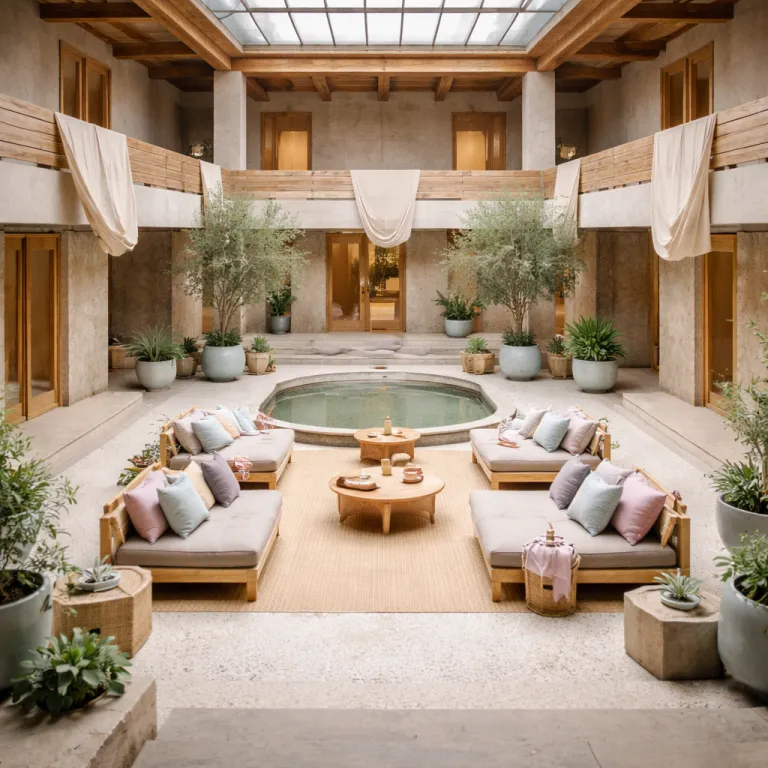
Hotel interior design trends 2026: warm neutrals, raw textures and restorative stays
Hotel interior design trends 2026 point to a quieter kind of luxury, where warm neutrals, tactile materials and layered lighting create interiors that feel restorative rather than theatrical.
Why warm neutrals are replacing glossy contrasts in hotel interiors
Walk into the latest luxury hotel lobby and the shift is immediate. Instead of sharp black and chrome contrasts, you are wrapped in sand toned walls, taupe textiles and furniture in espresso brown that make the interior feel quietly composed. Designers describe hotel interior design trends 2026 as a move from spectacle toward calm, where spaces feel inhabited rather than staged and where visual noise is deliberately reduced.
This change in hospitality design is not a passing mood but a response to how guests actually use spaces and how they want a room to support recovery after travel. Recent hospitality design reports from organisations such as the American Society of Interior Designers highlight a growing emphasis on biophilic, wellness driven interiors, and major hotel groups now publish guidelines that favour natural finishes and muted palettes over high gloss drama. These findings align with a broader preference for interiors that create soothing environments rather than Instagram backdrops. Interior designers and hotel owners now brief their design teams to create environments where every space, from reception desk to hotel restaurant, feels like a considered extension of the guest experience rather than a theatrical set.
For couples booking through a luxury hospitality platform, this means that hotel design is becoming a reliable indicator of how seriously a property takes wellness and long term comfort. When you browse hotels, look for design trends that emphasise neutral palettes, layered textures and hotel furniture that appears crafted rather than sculptural, because these details signal a commitment to human centred interior design. The most forward looking hospitality projects treat every guest as a long term relationship, using interiors and commercial spaces to create a sense of continuity between arrival, stay and return.
The rise of raw textures and tactile materials in guest rooms
Neutral colour alone does not transform a hotel interior; the real alchemy lies in raw textures. Designers working on hotel interior design trends 2026 are specifying natural wood, stone, clay and textured fabrics to create rooms where the hand is as engaged as the eye. As the 2024 Sleep & Eat hospitality design showcase in London summarised, “Natural, tactile finishes are now the quiet signature of luxury, creating calming and timeless environments,” a sentiment echoed in many recent hospitality case studies.
These materials are not chosen only for aesthetics; they change how guests move through spaces and how each room feels under bare feet and resting hands. When natural wood furniture design replaces high gloss lacquer, when linen and wool cover hotel furniture instead of synthetics, guests report that spaces feel warmer, quieter and more grounded. Hilton’s wellness focused guest room concepts, for example, pair oak floors with woven rugs and boucle upholstery to soften acoustics and add tactility. Industry briefings describe “natural wood, stone, clay, and textured fabrics” as core raw textures that “provide tactile comfort and visual warmth,” which explains why commercial interiors for hospitality now lean heavily on these materials.
For travellers comparing hotels on a premium booking website, the smartest filter is often the simplest question about interior design: what are the materials touching my skin and framing my sleep. Look for guest room photos where stone, timber and woven textiles dominate, and where contract furniture appears robust enough for long term use rather than seasonal trends. These design ideas are not just stylistic; they signal investment in durability, reduced environmental impact and a guest experience that prioritises comfort over spectacle in every space.
Lighting, mood and multisensory hotel design for modern stays
Colour and materials set the stage, but lighting now directs the entire performance of a hotel interior across the day. In the context of hotel interior design trends 2026, adaptive mood lighting systems adjust tone and intensity according to time of day and even weather, so spaces feel naturally attuned to your body clock. Morning in the room might mean cooler light that sharpens focus, while evening brings warmer pools that create a cocoon around the bed and lounge furniture.
This multisensory approach to hospitality design extends beyond the guest room into lobbies, corridors and commercial interiors such as the hotel restaurant or spa. Designers are integrating acoustics, scent and tactile materials so that every space, from the reception desk to the wellness suite, supports a specific guest experience rather than a generic ambience. Projects at brands like Six Senses and Aman resorts illustrate this shift, combining dimmable lighting, soft soundscapes and natural finishes to encourage decompression after travel. The industry is moving away from constant stimulation toward recovery oriented environments, where creating spaces with soft soundscapes, dimmable lighting and natural textures helps guests feel restored after flights and city noise.
When you evaluate hotels online, pay attention to how lighting is described and shown, because it reveals whether the property understands contemporary design trends or is still relying on static downlights. Look for hospitality projects where interior design narratives mention dynamic contract lighting systems, layered lamps and the ability to create different moods within the same space. These details, combined with thoughtful hotel furniture placement and warm neutral palettes, indicate a hotel interior that has been designed as a living environment rather than a fixed commercial set.
How leading hotels translate design trends into lived guest experience
Some hotels now function as quiet manifestos for hotel interior design trends 2026, translating theory into lived experience from check in to late night room service. You notice it first in the reception desk area, where stone counters, timber fronts and soft olive upholstery replace mirrored panels and bright chrome furniture. The space feels slower, the acoustics softer, and the guest experience begins with a sense of being welcomed into a considered interior rather than processed through a commercial lobby.
Upstairs, rooms continue this narrative with sand and taupe walls, linen drapes and hotel furniture in espresso and terracotta tones that echo the local landscape. In the best hotels, contract furniture is specified with a dynamic contract mindset, meaning pieces are durable enough for long term hospitality use yet refined enough to feel residential, so spaces feel chosen rather than allocated. Recent renovations at brands such as Four Seasons and Rosewood showcase this approach, pairing custom oak headboards with stone clad bathrooms and tactile rugs to create a coherent story from corridor to suite. These properties often integrate wellness features directly into the interior design, such as stone clad showers, tactile rugs and layered lighting that allows guests to create their own atmosphere within the same space.
For couples seeking romantic stays, these design ideas translate into quieter mornings, more intimate evenings and a sense that the room supports conversation rather than competes with it. When browsing a curated platform like guest-accommodation-stay.com, look for reviews that describe how spaces feel, not just how they look, and pay attention to mentions of materials, lighting and furniture design. Articles such as the guide to the refined elegance of quilted silk in luxury accommodations show how textiles and textures can elevate hotel interiors, and the same principles apply to every neutral toned, raw textured room you are considering.
How to choose a hotel for its interiors on a luxury booking platform
Selecting a hotel based on interior design requires reading between the lines of glossy photography and marketing copy. Start by scanning images for the palette and materials that define hotel interior design trends 2026, such as sand, taupe, olive and terracotta paired with visible wood grain, stone surfaces and textured fabrics. If every surface is reflective and every colour high contrast, the interiors are likely chasing an older aesthetic that prioritises spectacle over guest centred environments.
Next, study how spaces are organised, because creating spaces that flow well is as important as the furniture itself. Look for layouts where the room allows you to move easily between sleep, work and relaxation zones, and where hotel furniture such as sofas, desks and chairs feels proportionate to the space rather than oversized for photographs. Descriptions that mention hospitality design, commercial interiors and contract furniture can be positive signs, as they suggest that the hotel has invested in durable, well considered pieces that will age gracefully and support long term comfort.
Finally, read guest reviews with an eye for how people describe the way spaces feel rather than only service or location. Phrases about calm, warmth, quiet and tactile comfort often indicate that the hotel interior aligns with current design trends and that the guest experience benefits from thoughtful choices in materials, lighting and layout. When a property consistently earns praise for its interiors, from the reception desk to the hotel restaurant and wellness areas, you can be confident that the design is more than a visual statement; it is a framework for a restorative stay.
FAQ
Why are neutral tones so popular in hotel design now?
Neutral tones are popular in hotel design because they create calming, timeless environments that support rest rather than visual overstimulation. Designers working on hotel interior design trends 2026 use sand, taupe and earthy hues to make spaces feel more like refined homes than commercial sets. This palette also allows natural materials and carefully chosen furniture to stand out without competing for attention.
Which raw materials should I look for in a hotel interior?
Focus on interiors that use natural wood, stone, clay and textured fabrics, because these raw materials add both tactile comfort and visual warmth. When you see these materials in guest rooms, lobbies and wellness areas, it usually signals a commitment to quality and long term durability. Such choices align with current design trends that prioritise sustainability and authentic hospitality environments.
How do raw textures enhance the guest experience during a stay?
Raw textures enhance the guest experience by engaging the senses in a gentle, grounding way. Textured fabrics, timber surfaces and stone details make spaces feel more intimate and less like anonymous commercial interiors. Guests often report that these interiors feel warmer and more relaxing, which supports recovery after travel and deepens the overall sense of comfort.
What lighting features indicate a thoughtfully designed hotel room?
A thoughtfully designed hotel room usually offers layered lighting, including adjustable bedside lamps, indirect ceiling lights and sometimes algorithmic systems that change through the day. These features allow you to create different moods within the same space, from bright and functional to soft and romantic. When lighting is flexible and warm, it shows that interior design has been planned around real guest needs rather than only photography.
How can I tell from photos if a hotel follows current design trends?
Look for a warm neutral palette, visible natural materials and furniture that appears comfortable and well proportioned to the room. If the images show balanced spaces, soft lighting and thoughtful details such as textured rugs or linen bedding, the hotel likely aligns with hotel interior design trends 2026. Consistent visual cues across rooms and public areas suggest that the design is intentional and guest focused rather than purely decorative.