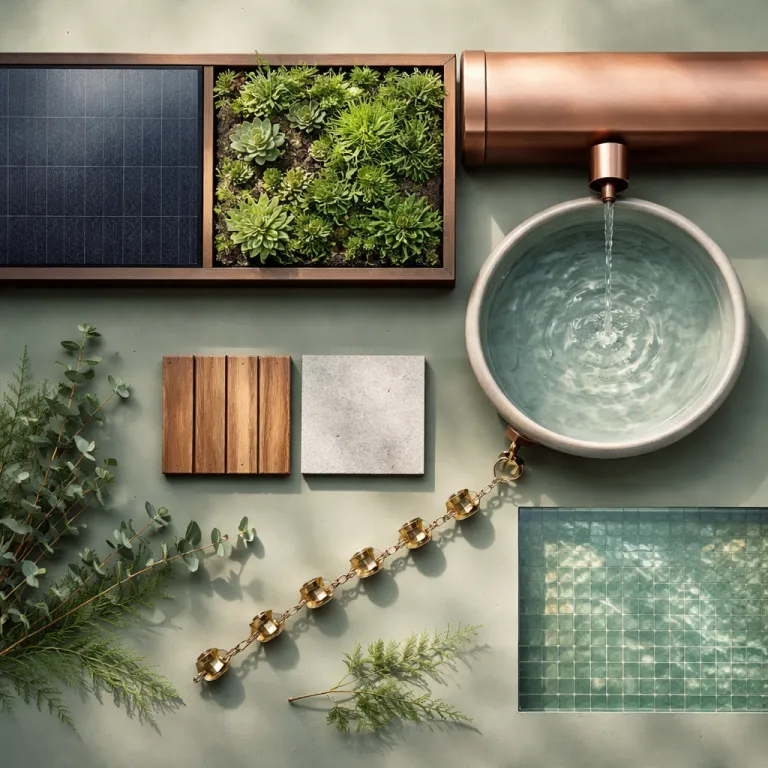
From hidden utility rooms to headline acts of sustainable luxury
Walk into a forward thinking luxury hotel today and the first thing you notice is often the light. Then, as your eyes adjust, you realise the architecture has been choreographed around sustainable energy, water and materials rather than squeezing them into a back of house plant room. This is where sustainable luxury hotel design stops apologising for being eco conscious and starts using sustainability as its primary aesthetic language.
What used to be a discreet solar array on a service roof now becomes a deliberate gesture in hotel architecture, framing courtyards or shading pools while generating renewable energy for suites and spas. At The Phoenician in Scottsdale, for example, rooftop solar installations support resort operations and cut grid demand during peak desert afternoons; according to Arizona Public Service, the system produces more than 600,000 kWh of clean electricity annually. Rainwater harvesting tanks no longer hide underground; instead, sculpted channels guide water through gardens, turning a technical system into a sensual part of the guest experience and a visible example of hotel rainwater harvesting in action. In the best sustainable hotels, every environmental decision is also a hospitality decision, shaping how guests move, feel and remember their stay.
The shift is visible across luxury hotels and hotels resorts that take sustainability seriously, from urban towers to coastal retreats. At PARKROYAL COLLECTION Pickering in Singapore, layers of sky gardens and green terraces wrap the hotel architecture, signalling from the street that this is a hotel sustainable by design, not by marketing. In Byron Bay, Sun Ranch Byron Bay uses low slung pavilions, natural ventilation and locally sourced materials to create a sustainable hotel that feels like a glamorous ranch, proving that eco friendly choices can be both indulgent and efficient.
These properties show how sustainability, once relegated to a CSR page, now defines the visual identity of luxury hospitality. The environmental systems are not add ons; they are the spine of the design, guiding everything from room orientation to pool placement and even the choreography of check in. For couples choosing a luxury hotel for a romantic escape, this means the most memorable views often align perfectly with the most sustainable energy and water strategies.
Behind this evolution sits a clear economic logic that the hospitality industry can no longer ignore. Renewable energy systems, intelligent energy management and careful water reuse reduce operating costs over the long term, especially in remote hotels resorts where utilities are expensive. Industry analyses from the World Green Building Council and the International Tourism Partnership suggest that green building strategies typically add around 2 to 5 % to upfront capital expenditure but can deliver operational savings of 10 to 20 % annually through lower energy and water bills. The World Green Building Council’s “Business Case for Green Building” report, for instance, documents multiple hotel and mixed use projects where modest capital premiums are offset by double digit efficiency gains over time. When a hotel invests in sustainable infrastructure, it is not only lowering its carbon footprint but also protecting its margins and future proofing the guest experience against rising environmental and regulatory pressures.
Eco visible architecture and the new aesthetics of green comfort
The most interesting sustainable luxury hotels today are not asking guests to sacrifice comfort; they are reframing what comfort looks and feels like. Instead of glossy plastics and heavy drapes, you see tactile natural materials, filtered daylight and air that actually smells like the surrounding landscape. This is sustainable luxury as sensory pleasure, not as moral lecture.
Green roofs, planted facades and shaded courtyards are no longer just eco gestures, they are core elements of hotel design that cool buildings, manage water and soften acoustics. When you walk through the elevated gardens of PARKROYAL COLLECTION Pickering, the green architecture does more than photograph well for social media; it reduces heat gain, improves environmental performance and wraps guests in a calm, biophilic cocoon. That same logic appears in Bardessono Hotel and Spa in Napa Valley, where stone, timber and recycled materials create a quiet, low energy envelope around high touch luxury hospitality and support its LEED Platinum certification; Bardessono reports energy use intensity roughly 40 % lower than comparable upscale properties.
For couples choosing where to stay, this aesthetic shift changes how you read a room and a lobby. A generous overhang that shades glass is not just a design flourish, it is a passive energy strategy that keeps suites cool without overworking air conditioning systems. A courtyard planted with native species and fed by harvested rainwater is not only romantic at night, it is a visible commitment to sustainability and careful water management that reduces waste and supports the local community.
Architecture studios and sustainability consultants now treat eco conscious infrastructure as a creative brief rather than a constraint. Solar panels can be arranged as sculptural canopies over arrival drives, turning the first impression of a luxury hotel into a statement about renewable energy and environmental impact. Rainwater channels can trace patterns through stone plazas, guiding guests intuitively from check in to bar while quietly narrating the story of hotel sustainable thinking and integrated water sensitive design.
If you are planning a celebration or intimate escape, this new language of sustainable luxury also extends to how properties stage events. A vineyard resort that uses harvested rainwater for irrigation and locally sourced menus for weddings is not just ticking a sustainability box, it is weaving environmental responsibility into every detail of the guest experience. For couples researching refined celebrations, curated destination wedding guides and regional planning resources now routinely highlight how luxury hotels pair design, gastronomy and sustainability in one coherent narrative.
Designers are also drawing heavily on biophilic principles, using plants, daylight and natural ventilation to reduce energy loads while elevating comfort. Biophilic hotel design strategies, from indoor trees to operable windows and shaded verandas, help guests feel anchored in place rather than sealed inside a generic box. If you are curious about how this plays out in practice, in depth explorations of biophilic design in hotels by architecture and hospitality organisations offer a useful lens on how nature now walks through the lobby and stays. In this context, eco friendly choices such as green roofs, permeable paving and shaded walkways become both environmental tools and emotional cues that tell guests they are in a place that respects its surroundings.
Economics, operations and the quiet power of intelligent sustainability
Behind the photogenic solar panels and lush green walls lies a more discreet revolution in hotel management. Energy dashboards, smart sensors and integrated building systems now sit at the operational heart of many sustainable hotels, quietly optimising comfort while trimming costs. This is where sustainable luxury hotel design becomes less about visible gestures and more about long term performance.
Luxury hotels that invest in advanced energy management systems can track consumption room by room, adjusting lighting, heating and cooling in real time. When occupancy drops midweek, the system dials back energy use in unoccupied wings, protecting both the bottom line and the property’s carbon footprint. Water meters, leak detection and greywater reuse systems perform a similar role, ensuring that every litre is accounted for and that waste is treated as a design and management failure rather than an inevitable by product of hospitality.
For guests, the technology is mostly invisible, but its effects are tangible in the quality of sleep, air and silence. A well insulated, carefully oriented room with operable windows often needs less mechanical cooling, which means quieter nights and a more intimate connection to the surrounding landscape. Couples notice when a luxury hotel feels calm, temperate and comfortable without the constant hum of machinery, even if they never see the renewable energy systems or water treatment plants that make it possible.
The economics are compelling enough that sustainability is no longer a niche concern for a handful of eco friendly pioneers. Industry reports from organisations such as the Global Sustainable Tourism Council and major hotel groups suggest that around 60 % of hotels now operate some form of sustainability initiative, a figure that climbs higher in the upper tiers of luxury hospitality where energy and water costs are significant line items. The GSTC’s global market analyses and corporate responsibility reports from leading brands both point to rapid adoption of energy, water and waste programmes across portfolios. For owners and operators, the calculation is simple; a hotel sustainable by design is cheaper to run, more resilient to regulatory change and more attractive to eco conscious travellers who increasingly check environmental credentials before they book.
Real world examples make the point clearer than any marketing slogan. The Phoenician in Scottsdale integrated solar energy infrastructure to support its expansive resort operations, demonstrating how large scale hotels resorts can align luxury with renewable energy without compromising service; utility data shared in case studies indicates that on site generation offsets a meaningful share of daytime electricity demand. Bardessono Hotel and Spa, which combines on site solar generation, high performance insulation and low flow fixtures, has reported energy use significantly below comparable properties and achieved one of the highest green certifications in the sector, showing that a luxury hotel can combine deep sustainability with a refined guest experience that commands premium rates.
As one industry summary from the International Tourism Partnership puts it succinctly, “Luxury hotels implement sustainability by integrating solar panels, rainwater harvesting, and eco-friendly materials.” That sentence captures the operational backbone of modern sustainable luxury, where energy, water and materials are specified with the same care once reserved only for marble, thread counts and wine lists. For travellers, it means that choosing a sustainable hotel is no longer a compromise but often the smartest way to secure both comfort and conscience in a single booking.
What couples should look for when booking into the next decade
The most interesting question for travellers now is not whether sustainability matters, but how to read it intelligently when choosing a hotel. Marketing language has caught up with the trend, so almost every property claims to be green, eco friendly or sustainable in some way. Your task, especially if you are planning a special trip, is to separate surface gestures from structural commitments embedded in hotel architecture and operations.
Start by looking for credible sustainability certifications and transparent reporting on energy, water and waste. Labels such as Green Key or recognised regional programmes indicate that a luxury hotel has submitted its operations to external scrutiny, from laundry systems to kitchen waste management and staff training. When a property publishes clear data on its environmental impact and long term goals, it signals that sustainability is part of its core management strategy rather than a seasonal campaign.
Next, pay attention to how sustainability shows up in the physical design of the hotel and in the daily guest experience. Are there visible solar panels, shading devices and green roofs that clearly contribute to comfort, or only a few potted plants in the lobby and a card about towel reuse on the bathroom counter? Does the property talk about locally sourced materials and menus, renewable energy and community partnerships, or does it rely on vague language about being eco conscious without specifics? These details tell you whether sustainable luxury is structural or simply decorative.
Couples who care about romance and responsibility can also ask targeted questions before they book. How does the hotel manage water in a drought prone region, and what systems are in place to minimise waste from events and restaurants? What proportion of energy comes from renewable sources, and how does the property support the surrounding community through employment, sourcing and cultural programming? A confident, well run sustainable hotel will answer these questions with clarity and pride.
Finally, consider how the property’s sustainability choices align with your own travel rituals and expectations of luxury. If you love long baths, check whether the hotel uses efficient fixtures and recycled water systems so that indulgence does not translate into unnecessary environmental strain. If you value privacy and quiet, look for hotels resorts where passive design, insulation and thoughtful planning reduce noise and energy use simultaneously, enhancing both comfort and sustainability.
The next decade will likely cement sustainability as the default language of high end hospitality rather than a differentiator. For travellers using curated booking platforms and specialist travel advisors, this means that filters for sustainable hotels, eco friendly practices and measurable carbon footprint will become as standard as star ratings and spa facilities. The most rewarding stays will be those where you feel the environmental intelligence of the place in every detail, from the softness of the sheets to the way the morning light falls across a terrace powered by the sun and cooled by harvested rain. Regional context will still matter, of course; in dense historic cities or cloudy northern climates, for example, solar output or rainwater capture may play a smaller role than insulation, efficient district energy or low carbon materials, but the underlying commitment to thoughtful resource use remains the same.
Key figures shaping sustainable luxury hotel design
- Around 60 % of hotels worldwide now operate at least one formal sustainability initiative, according to recent industry reports from major hotel groups and the Global Sustainable Tourism Council, reflecting a rapid mainstreaming of environmental practices across the hospitality industry; GSTC benchmarking studies and corporate responsibility disclosures both point to this order of magnitude.
- Properties that integrate renewable energy systems such as solar panels typically reduce grid electricity consumption by 20 to 40 %, depending on climate and design, which significantly lowers operating costs over the long term while shrinking their carbon footprint; case studies compiled by the International Tourism Partnership and regional utilities document these ranges for hotels and resorts.
- Water conservation and reuse strategies, including rainwater harvesting and greywater recycling, can cut potable water demand in luxury hotels by up to 30 %, a critical figure in drought sensitive destinations where hospitality competes with local community needs; examples in World Green Building Council reports and municipal water authority studies illustrate these savings.
- Independent analyses of green building projects by the World Green Building Council and similar bodies show that sustainable construction and efficient hotel architecture often add 2 to 5 % to upfront capital expenditure but can deliver operational savings of 10 to 20 % annually, improving ROI over the building’s life cycle; the WorldGBC “Business Case for Green Building” synthesis is a frequently cited reference.
- Guest surveys from major hotel groups consistently report that more than half of travellers are willing to pay a premium for eco friendly stays, especially in the luxury segment, which reinforces the business case for deep sustainability rather than superficial gestures; Marriott, Hilton and other brands have published comparable findings in their annual sustainability and loyalty reports.