From fixed address to floating key: why the Orient Express Corinthian matters
The phrase luxury floating hotel Orient Express Corinthian 2026 signals a quiet revolution in how couples think about where they stay. Instead of choosing between a static property on land or a vast cruise ship, this new-generation sailing yacht creates a third way where your room travels with you yet still feels like a finely tuned hotel. This shift in luxury travel is reshaping expectations for service, privacy and the emotional rhythm of a Mediterranean journey.
At around 220 metres in length, this sailing yacht operated by Orient Express and supported by Accor is conceived as a true yacht Corinthian rather than a conventional cruise ship with thousands of cabins. Early project details released by Orient Express indicate capacity for only 110 guests in 54 suites, so the service ratio feels closer to an intimate palace hotel than to mass market cruising, and every sea-facing suite has been planned as a sanctuary rather than a unit number. For travellers used to curated resorts in France or the Caribbean, that intimacy will feel instantly legible and reassuring.
The ship is planned for construction at Chantiers de l’Atlantique in Saint-Nazaire, the historic French shipyard that also handles some of the world’s most advanced sailing yachts. Here, naval engineers and the design équipe are combining LNG-ready propulsion with the SolidSail rig, described in early announcements from Chantiers de l’Atlantique as forming one of the world’s largest sailing yachts, and that technical ambition directly benefits guests through quieter navigation and more time under sail. In practice, this means long, unhurried stretches where the only soundtrack is the sea and the soft express sailing of canvas above you.
Inside the Corinthian: suites, sea views and a hotel mindset at sea
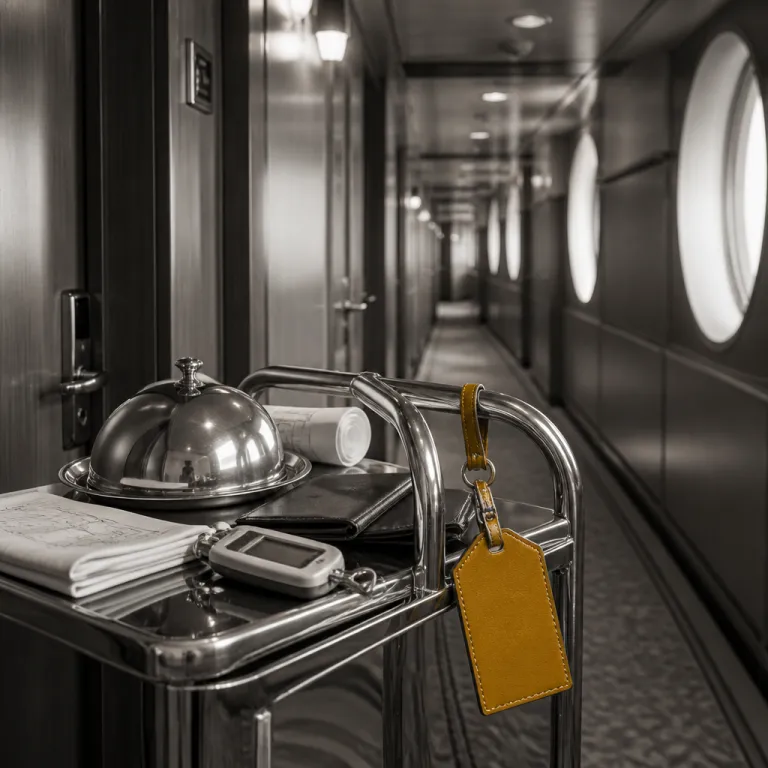
Step on board and the first impression is not of a cruise ship but of a grand coastal hotel that happens to move. Architect Maxime d’Angeac has leaned into Art Deco references from the original Orient Express trains, translating them into curved corridors, lacquered panels and a palette that frames the sea views rather than competing with them. The result is a Corinthian Orient aesthetic where every corridor turn reveals another framed horizon.
There are only 54 suites, and each suite is positioned to maximise natural light and a direct view of the sea, which is a rarity even among luxury sailing yachts. Couples can choose between generous sea-facing suites and expansive penthouse suites that stretch across the beam, and these penthouse suites feel closer to a Parisian apartment than to a cabin, with separate living areas and terraces that hover just above the waterline. For anyone used to high-end villas in the Mediterranean or refined Caribbean escapes, the scale and finish will feel comfortably familiar.
The broader floating hotel concept extends beyond private space into a network of restaurants, bars and lounges that echo the intimacy of a city hotel. Rather than a single cavernous dining hall, guests move between smaller venues, including a signature restaurant expected to be overseen by chef Yannick Alléno, where menus reference both France and the day’s sailing route. This hotel mindset at sea means you can slip from a quiet breakfast with wide sea views to a late-night drink in a low-lit bar without ever feeling lost in a crowd, and prospective guests can already register interest through Orient Express channels to receive launch and booking updates.
Routes, rhythm and romance: how the Corinthian redefines the cruise
The luxury floating hotel Orient Express Corinthian 2026 is scheduled to sail intimate itineraries in the Mediterranean, tracing a line between Marseille, Corsica and the Ligurian coast rather than racing between distant ports. Instead of the typical cruise pattern of dawn arrivals and hurried shore excursions, the Orient Express team has built in longer stays that allow couples to settle into each destination. You wake up with the same suite, the same view and the same staff who already know how you take your coffee, yet the coastline outside has shifted overnight.
On a typical journey, the sailing yacht might leave Saint-Tropez after a late dinner, glide under sail past quiet capes and arrive off a smaller port while most guests are still sleeping. This slower express sailing rhythm is what separates the Orient Express Corinthian from a conventional cruise ship, because the emphasis is on immersion rather than box ticking, and the crew can arrange private tastings, coastal hikes or quiet beach hours that feel more like a resort escape than a shore excursion. For couples, that means more unscripted time together and fewer loud announcements or queues.
These floating stays sit comfortably alongside other high-end options such as refined casita-style resorts in the Caribbean. The difference is that on the yacht Corinthian, the room itself becomes your anchor as you move between France, Corsica and Italy, and the Corinthian will often remain at anchor into the evening so you can watch the lights of a coastal town flicker on from your balcony. It is luxury travel designed around the pleasure of transition rather than the rush to arrive.
Design under constraint: art deco lines, sustainable sails and inventive space
One reason this floating hotel concept feels so considered is that every square metre has to justify itself twice, once as part of a ship and once as part of a hotel. Naval architecture imposes strict rules on weight, balance and safety, and within those constraints Maxime d’Angeac has crafted interiors that reference Art Deco without slipping into pastiche. Curved banquettes, brass inlays and geometric carpets echo the original Orient Express trains while framing the sea views that are the real artwork here.
The ship’s SolidSail rig and LNG-ready propulsion, developed with Chantiers de l’Atlantique, are designed to allow this large sailing yacht to spend more time under actual sail. That has a direct impact on guests, because sailing reduces engine noise and vibration, and evenings under canvas feel closer to being on a private sailing yacht than on a large cruise ship. For travellers used to quiet resorts, that sense of calm is non-negotiable, and it is where the Corinthian Orient idea shows its depth.
Public spaces are layered to feel like a sequence of small hotels within the larger yacht Corinthian, from the Guerlain Spa at sea to the more casual restaurants and bars that open onto aft decks. The design team has resisted the temptation to overscale anything, so even the largest penthouse suites feel integrated into the ship rather than perched on top of it, and circulation routes are short enough that you can walk from spa to suite in minutes. For travellers who value design as much as destination, this is where the express Olympian ambition of the project becomes tangible in everyday rituals.
Floating resort escapes: how to choose between sea based stays and land based luxury
For couples browsing a premium booking website, the choice between a coastal resort and the luxury floating hotel Orient Express Corinthian 2026 now feels less like a binary and more like a spectrum. Floating accommodations range from converted lightships in Northern Europe to houseboats in Amsterdam and Kerala, and at the top end, sailing yachts such as the Orient Express Corinthian blur the line between yacht charter and hotel stay. The question is no longer whether you prefer land or sea but how much movement you want built into your time away.
If you travel with children or a larger family group, a land-based property with structured kids’ programmes may still be the most practical option, and curated guides to family friendly luxury guest accommodations can help you shortlist. For couples, though, floating stays often rank among the most romantic options because water, horizon and changing light do half the work, and the Corinthian will lean into that with terraces, sea-facing pools and quiet corners designed for two. When you add in the fact that your suite unpacks once while the ship continues to sail, the appeal becomes obvious.
As the market for luxury travel evolves, express sailing projects like this one show how operators such as Orient Express and Accor are betting on smaller, more characterful ships rather than ever larger cruise vessels. “What is the Orient Express Corinthian?” and “How many passengers does it accommodate?” may sound like simple questions, yet the answers point to a new category where a sailing yacht with only around 110 guests behaves more like a roaming hotel than a cruise ship. For travellers who care as much about the welcome as the address, that is a compelling direction of travel, and checking official Orient Express announcements will help you track launch timing and availability.
FAQ
What is the Orient Express Corinthian in practical terms ?
The Orient Express Corinthian is a sailing yacht of about 220 metres operated by Orient Express in partnership with Accor, designed to function as a luxury floating hotel with only 54 sea-facing suites. It combines hotel-style service and amenities, including a Guerlain Spa and multiple restaurants and bars, with the mobility of a cruise ship. According to preliminary information shared by Orient Express, it is intended to feel closer to staying in a high-end coastal hotel that moves than to joining a traditional cruise.
How many guests can the ship accommodate at once ?
The ship is expected to accommodate around 110 guests in 54 suites, which is a fraction of the capacity of most mainstream cruise ships. This low density allows for a higher staff-to-guest ratio and more personalised service, similar to what you would expect in a small luxury hotel. Couples benefit from quieter public spaces, easier restaurant reservations and a more relaxed overall atmosphere.
How is this different from a conventional cruise experience ?
The luxury floating hotel Orient Express Corinthian 2026 differs from conventional cruises through its intimate scale, hotel-like service model and slower, more immersive itineraries. Instead of frequent port hopping and large group excursions, the sailing yacht focuses on longer stays in fewer destinations, with experiences tailored to smaller numbers of guests. The design and atmosphere are closer to a land-based luxury property than to a large entertainment-driven cruise ship.
Where does the Orient Express Corinthian sail during its main season ?
The Orient Express Corinthian is planned to focus on Mediterranean routes, including ports in France such as Marseille and Saint-Tropez, as well as Corsica and the Ligurian coast of Italy. These itineraries are designed to balance iconic destinations with quieter coastal towns, often anchoring offshore to preserve views and privacy. Over time, the ship is also expected to operate selected Caribbean cruises during other parts of the year.
Who should consider booking a stay on the Orient Express Corinthian ?
This floating hotel is best suited to couples and small groups of friends who value design, privacy and a slower style of luxury travel. Guests who already enjoy high-end resorts, refined villas or intimate city hotels will likely appreciate the Corinthian Orient approach more than travellers seeking large-scale entertainment or extensive family facilities. If you want your suite to feel like a chosen room rather than a cabin number, this ship aligns closely with that preference, and monitoring Orient Express booking updates will help you secure a place once reservations open.