What makes an art hotel more than a hotel with art
In a true art hotel, the art collection is not decoration but infrastructure. The entire stay is shaped by curatorial intent, where every corridor, gallery and set of guest rooms forms part of a narrative that guests can read as they move through the building. This is the essence of an art hotel guest accommodation cultural programming gallery concept, where the walls carry as much weight as the mattress.
Most hotels with art simply procure works to fill empty walls, while serious art hotels commission artists, rotate works and build cultural programming around each piece. The difference is visible in how the hotel art is labeled, interpreted and activated, with museum quality wall texts, guided walks and an art exhibition calendar that would not look out of place in a respected museum. When you check in, you are not just handed a key card but often a map of the art collection and a schedule of talks with local artists.
In the United States, properties such as 21c Museum Hotel in Louisville and the Dolder Grand in Zürich show how hotel art can rival institutional collections. These hotels operate as hybrid museum hotel spaces, where public spaces remain open to non residents and contemporary art exhibitions change several times a year. For solo guests, this turns the lobby and galleries into social arenas, where conversations begin in front of works of art rather than at the bar.
Sleeping inside the collection: guest rooms as curated installations
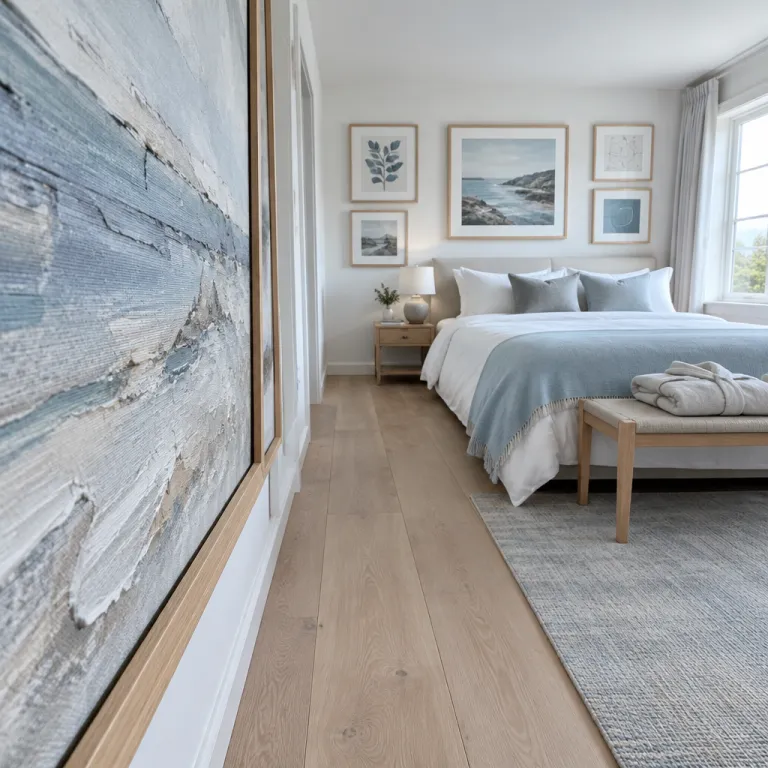
The most ambitious art hotels treat guest rooms as individual installations, not generic units with a few framed prints. In these properties, each room might feature original oil paintings, site specific works of art or sculptural pieces that respond to the building’s history and the local arts scene. The result is a stay where you remember the room by the artist’s name rather than the room number.
At the Dolder Grand, for example, museum quality works by artists such as Takashi Murakami and Salvador Dalí appear not only in public spaces but along corridors leading to guest rooms, turning the route to your hotel spa appointment into a private gallery walk. In some art hotels in the United States, select suites are co designed with contemporary artists, who choose the works, colors and textures to create a complete environment. This approach transforms the art collection into a lived experience, where guests wake up literally inside the work.
For a solo explorer, this intimacy with contemporary art can be quietly radical, because the room becomes both refuge and studio like space for reflection. You might spend an evening reading the artist’s statement provided on the desk, then check how the works change under different light as the san francisco fog rolls in or the sun sets over another city. In these hotels, the art hotel guest accommodation cultural programming gallery model ensures that even downtime between meetings or museum visits feels culturally charged.
From procurement to programming: how cultural calendars shape the stay
The defining shift from a hotel with art to a genuine arts hotel lies in programming, not procurement. Instead of buying a static art collection and leaving it to fade into the background, these properties curate rotating art exhibitions, artist residencies and seasonal events that give guests a reason to return. The art hotel guest accommodation cultural programming gallery strategy treats the calendar as seriously as room revenue forecasts.
Consider how some museum hotel concepts in the United States schedule weekly gallery talks, where curators lead small groups of guests through the works and explain how local artists interpret themes such as migration, climate or urban change. On other evenings, the same gallery might host an intimate dinner with an artist, where a handful of guests share a long table set between sculptures or large scale works of contemporary art. These experiences turn the hotel into a cultural venue first and a place to sleep second, which is exactly what many solo travelers seek.
Workshops are another powerful tool, especially for guests traveling alone who want structured but low pressure social encounters. You might sign up to create your own small works of art alongside a resident artist, using techniques inspired by the hotel’s art collections, from oil paintings to experimental photography. When cultural programming is this rich, guests begin to check the hotel’s event schedule before they check the weather, because the internal gallery life shapes the stay more than the external season.
Why art hotels work so well for solo explorers
For independent travelers, especially those moving through large cities, an art hotel can function as both anchor and community. The presence of a serious art collection and regular art exhibition openings creates natural gathering points where conversation starts with the work on the wall, not small talk about where you flew in from. This is social contact by choice, not obligation, which matters when you travel alone.
In properties that embrace the art hotel guest accommodation cultural programming gallery model, you will often find open studio hours where resident artists invite guests into their workspaces. These encounters feel different from standard hotel events, because you are entering the artist’s temporary home inside the building and seeing unfinished works, sketches and experiments. The dynamic is more like visiting a friend’s studio in san francisco’s Dogpatch district than attending a corporate networking session.
Public spaces in these hotels are designed to encourage lingering, with long communal tables set beneath quality art and comfortable seating arranged to face both the bar and the gallery walls. A solo guest can sit with a glass of wine, watch other guests move through the arts hotel and join a conversation when a particular piece of hotel art sparks a reaction. Over several nights, the rhythm of openings, talks and casual critiques can make the hotel feel like a small, portable arts community that you step into whenever you check in.
Art and place: when collections reflect the local city
The strongest art hotels understand that their collections must speak to their surroundings, not float above them. Rather than importing a generic international style, they commission local artists and build art collections that echo the city’s own cultural debates, materials and light. This is where the line between hotel, gallery and museum begins to blur in the most productive way.
In san francisco, for instance, several hotels near SoMa and the Embarcadero work closely with local artists whose practices intersect with technology, activism and the bay’s shifting ecology. The result is a kind of informal museum hotel network, where guests can walk from one property to another and see different slices of the city’s arts ecosystem represented in lobby installations and guest room works. For a traveler who cares about context, this is far more revealing than a single visit to a large museum.
Historic buildings add another layer, because the architecture itself becomes part of the art collection and influences how works of art are displayed. A former warehouse might host large scale contemporary art in its soaring public spaces, while a converted mansion uses intimate salons to show smaller oil paintings and delicate drawings. In both cases, the art hotel guest accommodation cultural programming gallery approach ensures that the building, the local arts scene and the guest experience form a coherent whole rather than three separate stories.
The business case: why serious art programming attracts high value guests
From a commercial perspective, investing in quality art and cultural programming can look risky, yet the returns are increasingly clear. Properties that position themselves as true art hotels attract a specific guest profile that values depth, spends more on site and often returns to see new works. For a luxury or premium hotel, this alignment between brand identity and guest expectations is more powerful than any short term discount campaign.
Media coverage is one of the most tangible benefits, because a strong art collection and ambitious art exhibition schedule generate stories that standard hotels cannot match. When a property launches a new series of works of contemporary art or unveils a collaboration with a well known artist, it can appear in culture sections rather than only in travel pages. Over time, this kind of attention reduces the need for heavy advertising spend, because the hotel’s name circulates organically in conversations about arts and culture.
There is also a practical advantage in how guests use the space, especially in hotels that integrate a serious hotel spa, co working areas and flexible public spaces. Guests who feel engaged by the art collections are more likely to extend their stay, hold informal meetings in the gallery or invite local friends to join them for events. For owners, the art hotel guest accommodation cultural programming gallery model becomes a way to increase both occupancy and non room revenue, while building a reputation that cannot be easily copied by hotels that treat art as an afterthought.
Key figures: art, hotels and cultural programming
- According to data from the American Alliance of Museums, travelers who prioritize cultural experiences spend around 60 percent more per trip on average than leisure travelers focused mainly on shopping or entertainment, which helps explain why hotels with strong art programming attract higher value guests.
- Research from the World Travel & Tourism Council indicates that cultural tourism accounts for roughly 40 percent of global tourism revenue, suggesting that integrating museum quality art collections into hotels taps into a large and growing market segment.
- A survey by Skift on experiential travel found that more than half of respondents were willing to pay a premium for accommodations offering unique cultural programming, such as artist talks, gallery tours or studio visits within the hotel building.
- Data from the San Francisco Travel Association shows that visitors who include museums and galleries in their itinerary stay longer on average than those who do not, which aligns with the extended stays seen at art hotels that function as hybrid museum hotel and gallery spaces.
FAQ: art focused guest accommodations
How is an art hotel different from a regular luxury hotel with art on the walls ?
An art hotel treats its art collection as a core part of the guest experience, not as background decoration. This means curated exhibitions, interpretive texts, artist residencies and cultural programming that shape how you move through the building. In a regular luxury hotel, art is usually procured once and rarely changes, with little context provided for guests.
Are art hotels suitable for solo travelers who prefer quiet stays ?
Yes, because the best art hotels create optional social encounters rather than forced group activities. You can attend a gallery talk, watch an artist at work or simply enjoy the works of art in public spaces without engaging in conversation. The cultural programming offers structure and interest, while your guest room remains a private retreat.
Do I need to be an art expert to enjoy staying in an art hotel ?
No expertise is required, because thoughtful hotels provide accessible explanations, guided tours and staff who can answer basic questions about the art collection. Many guests use these stays as an informal introduction to contemporary art, local artists and museum quality curation. The goal is to make art feel welcoming, not intimidating.
How can I check whether a hotel’s art program is serious before booking ?
Look for evidence of rotating exhibitions, named artists, and a clear description of cultural programming on the hotel’s website or social channels. Properties that follow an art hotel guest accommodation cultural programming gallery model usually publish event calendars, artist biographies and details about their partnerships with museums or galleries. If you only see vague references to décor, the art is likely secondary.
Are there notable art hotels in the United States that focus on local artists ?
Several properties across the United States now prioritize commissions from local artists and collaborations with nearby museums. Examples include 21c Museum Hotel locations, which operate as full scale contemporary art spaces, and independent hotels in cities such as san francisco that curate works reflecting local culture and history. These stays allow guests to engage with the city’s creative community without leaving the building.
Sources
American Alliance of Museums ; World Travel & Tourism Council ; Skift Research