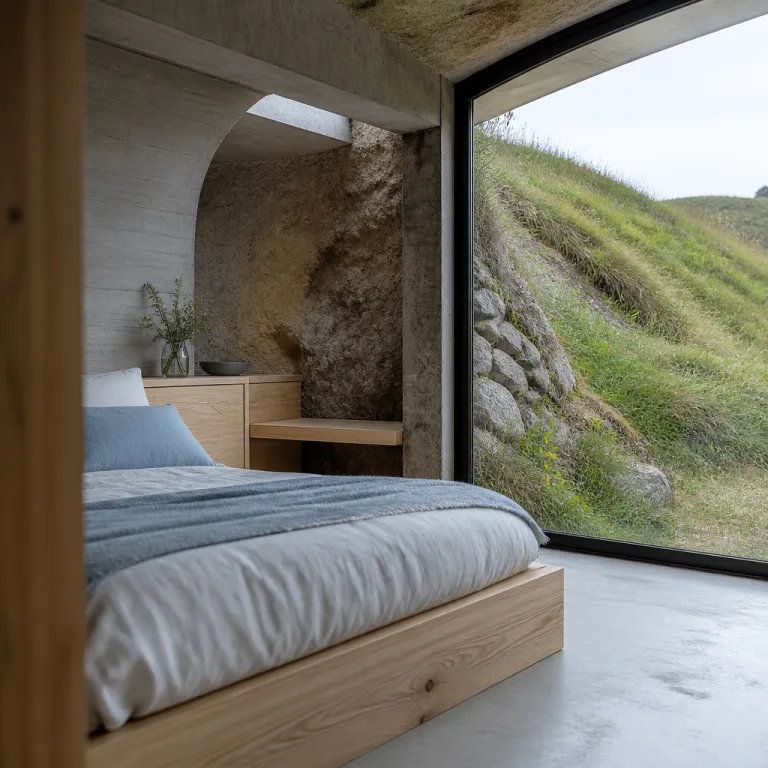
How hotel design now starts with geography and ground
The most interesting hotel design stories now begin outside the lobby. Architects walk the site first, reading the geography, the soil and the climate before sketching any guest rooms or shared spaces. This shift is reshaping luxury hotels into places that feel inseparable from their landscapes, aligning directly with a new focus on hotel design rooted in local materials and geography as a guiding philosophy for the coming years.
Instead of importing a global brand aesthetic, leading hospitality design studios let local stone, timber and earth dictate the material selection for every guest room and every dining room. Location becomes the design brief, and the main content of the project is no longer a theme but a conversation between geology, craft and climate that defines circulation areas, furniture choices and even lighting performance. For travelers, this means that the guest experience is now anchored in a tangible sense of place, not a generic hospitality industry template.
Across the most forward thinking hotels, design trends are moving away from decorative motifs toward structural authenticity. Volcanic rock walls in Iceland, rammed earth corridors in Morocco and reclaimed teak terraces in Bali are not styling gestures; they are the building itself, chosen because they perform well in local weather and reduce transport emissions. In practice, this place based approach becomes a measurable strategy, with real estate investors recognizing that such properties age gracefully and hold long term value while supporting regional supply chains. As architect Francis Kéré has noted in interviews about his own earth based projects, “using what the land offers first is often the most resilient and economical choice over time.”
From locally inspired decor to locally sourced construction
Many hotels still rely on what might be called postcard design. A few regional artworks in guest rooms, a local map in the lobby and perhaps a signature food and beverage item in the dining room are presented as authenticity. The new wave of design hotel projects goes much deeper, insisting that walls, floors and structural furniture are made from local material wherever possible, in line with the broader logic of geography led hotel architecture.
There is a crucial difference between locally inspired decoration and locally sourced construction in hospitality design. The first can be swapped out between seasons, while the second is literally built into guest rooms, circulation areas and outdoor spaces through stone, timber, clay and lime that come from nearby quarries and forests. This approach supports regional artisans, reduces logistics emissions and, according to multiple green building case studies, can contribute to embodied carbon reductions of 10–30 percent when local materials replace long distance imports.
For travelers comparing hotels, this distinction matters because it shapes both comfort and ethics. A property that invests in local construction material usually also invests in smart technology that optimizes energy use, from discreet sensors that dim lighting to systems that manage air flow through thick stone walls. If you are planning meetings or retreats, this depth of design thinking often extends to event spaces as well, and guides on choosing a manor house hotel with the right spaces and capacity offer useful criteria for evaluating how architecture supports real work and hospitality performance.
Eco friendly architecture in practice: three grounded case studies
Some of the clearest examples of place based materiality come from relatively small, highly considered projects. DL Atelier’s Yi She Mountain Inn, for instance, is a documented boutique property in rural China that uses stone and timber sourced from its surrounding valley, allowing the hotel design to echo local farmhouses while upgrading comfort for modern guests. The architects relied on traditional construction methods with hand tools, then layered in smart technology for heating and lighting control, creating a guest experience that feels both ancient and quietly advanced.
On the Californian coast, artist Jayson Fann’s Twig Hut shows how even ephemeral structures can embody these principles of local material and landscape driven design. Built entirely from fallen branches and natural fibers, this sculptural shelter demonstrates how biophilic design can be literal, surrounding the guest with the textures and scents of the forest while leaving almost no long term trace on the land. In India, Green Heritage Resort’s Earth Mushroom Cottage is frequently cited in sustainable tourism coverage as an example of mud based construction shaped by local artisans, proving that commercial grade hospitality can emerge from humble soil when interior design, ventilation and shading are carefully planned.
These projects share a commitment to eco friendly architecture that goes beyond marketing language. They employ local équipes, collaborate with environmental organizations and treat material selection as the main content of the design process, not an afterthought. If you are drawn to properties where nature walks through the lobby and stays, resources on biophilic design in hotels can help you decode how greenery, daylight and natural textures are orchestrated to support both wellbeing and energy performance.
Reading the room: how travelers can decode design provenance
When you arrive at a new hotel, the first clues to its design provenance are underfoot and overhead. Run your hand along a wall in the guest room; if the stone or plaster feels irregular, there is a good chance it was applied by local craftspeople rather than shipped as a prefabricated panel. Look at the junctions between floors, walls and ceilings in shared spaces, because these areas often reveal whether the interior design is a global brand package or a response to local construction logic.
Ask direct questions during check in or a property tour, since well informed teams are usually proud to explain their material selection and technology integration. You might hear that the marble in the lobby comes from a nearby quarry, that the timber in the dining room tables was salvaged from an old pier or that the lighting performance has been tuned to reflect regional daylight patterns. When a hotel can trace each major material back to a local source, it signals that its design philosophy is more than a marketing phrase and that guest expectations around sustainability are being taken seriously.
Digital tools can help as well, especially for solo travelers planning extended stay trips who want to align their values with their bookings. Many hotels now publish detailed sustainability reports, outlining how smart technology manages energy, how much of the real estate footprint is built from local material and how long term maintenance plans prioritize repair over replacement. Cross referencing these documents with independent coverage on sustainability as a design language in luxury hospitality gives you a clearer sense of which properties are genuinely grounded in their landscapes.
Technology, comfort and the new language of grounded luxury
Grounded architecture does not mean going without comfort or technology. The most compelling hotels pair thick stone walls, timber beams and earthen floors with smart technology that quietly manages climate, lighting and security in both guest rooms and public areas. This balance between tactile material and invisible systems defines many of the strongest design trends in luxury hospitality today.
In practice, that might mean a guest room cooled primarily by cross ventilation and shading, with smart sensors only stepping in when temperatures rise beyond a set point. It can involve lighting schemes that respond to natural daylight, dimming in circulation spaces while highlighting key furniture pieces and artworks in the dining room or lounge. For the guest, the result is a smoother guest experience, where technology integration supports comfort without overwhelming the senses or undermining the feeling of being rooted in a specific geography.
From an operational perspective, hotels that embrace locally grounded design often report better long term performance metrics. Local stone and timber age gracefully, reducing replacement cycles and supporting a more circular approach to real estate investment. When combined with commercial grade systems for energy management and water reuse, these grounded properties show that hospitality industry innovation can be both quietly luxurious and measurably efficient.
What this means for solo explorers booking their next stay
For independent travelers, the rise of place based materiality changes how you read a listing and how you choose a hotel. Instead of scanning only for spa facilities or food and beverage options, you can look for clues about construction, material selection and the role of local artisans in shaping guest rooms and shared spaces. This lens aligns with the ethos of geography informed hotel design, where the ground beneath the property is as important as the amenities above it.
When browsing luxury hotels on a curated platform, pay attention to how each brand describes its relationship with geography and craft. Detailed references to local stone, timber, earth or plant life, combined with clear explanations of smart technology and energy strategies, usually indicate a deeper hospitality design narrative. Vague mentions of regional inspiration, by contrast, often signal that the design work stopped at surface level decor rather than engaging with the structural fabric of the building.
As you refine your own travel habits, consider supporting properties that invest in eco friendly architecture and local economies. Research eco friendly accommodations, respect local customs and support local businesses, because these actions reinforce the same values that shape grounded hotels. Over time, guest expectations will continue to push the hospitality industry toward buildings that look, feel and perform like they truly belong to the landscapes that hold them.
Key figures shaping grounded hospitality
- Green building organizations consistently report that sourcing stone, timber and earth from nearby sites can significantly cut transport related emissions for hotels, especially in remote or hard to reach regions.
- According to the World Tourism Organization, demand for nature based and eco conscious travel experiences has risen markedly in recent years, which directly supports the business case for hotel design strategies rooted in local materials and geography.
- Projects such as Yi She Mountain Inn, Twig Hut and Earth Mushroom Cottage demonstrate that combining traditional construction with modern sustainability tools can meet contemporary guest expectations while supporting local economies.
- Industry analyses show that hotels investing in durable local material often see maintenance cost reductions of 15–25 percent over a long term horizon, improving ROI compared with properties reliant on imported finishes.
FAQ: grounded hotel design and local materials
What are examples of accommodations built from local materials?
Notable examples include Yi She Mountain Inn in China, which uses regional stone and timber, Jayson Fann’s Twig Hut on the Californian coast, built from fallen branches, and the Earth Mushroom Cottage at Green Heritage Resort in India, constructed with mud shaped by local artisans. Each property treats its surrounding landscape as the primary source of building material and has been profiled in architectural or sustainable tourism case studies. Together, they illustrate how principles of hotel design based on local materials and geography can be applied across very different climates and cultures.
Why use local materials in construction for hotels?
Using local materials reduces transport emissions, supports regional economies and creates aesthetics that cannot be replicated elsewhere. It also allows architects to work with material that is already proven to perform well in the local climate, improving comfort and durability. For guests, this translates into a more authentic sense of place and a clearer connection between the hotel and its surroundings.
How does using local materials benefit guests directly?
Guests benefit from improved thermal comfort, better acoustics and interiors that feel naturally aligned with the landscape. Thick stone walls, earthen plasters and timber ceilings can regulate temperature and humidity more gently than mechanical systems alone. These choices also tend to age beautifully, so the guest experience often improves over time as materials develop patina rather than wearing out.
How can I tell if a hotel genuinely uses local materials?
Look for specific references to quarries, forests or craftspeople in the property description, and ask staff where key materials such as stone, timber and tiles were sourced. Genuine place based design usually comes with detailed stories about collaboration with local artisans and environmental organizations. If the information remains vague or purely decorative, the project is likely more locally inspired than locally sourced.
Is eco friendly, locally grounded design more expensive for hotels?
Initial design and coordination can be more complex, because teams must work closely with local suppliers and adapt to traditional techniques. However, long term maintenance costs often decrease, since durable local materials require less frequent replacement and perform well in the local climate. For many owners, this combination of lower lifecycle costs and stronger guest appeal makes grounded design a sound real estate strategy.