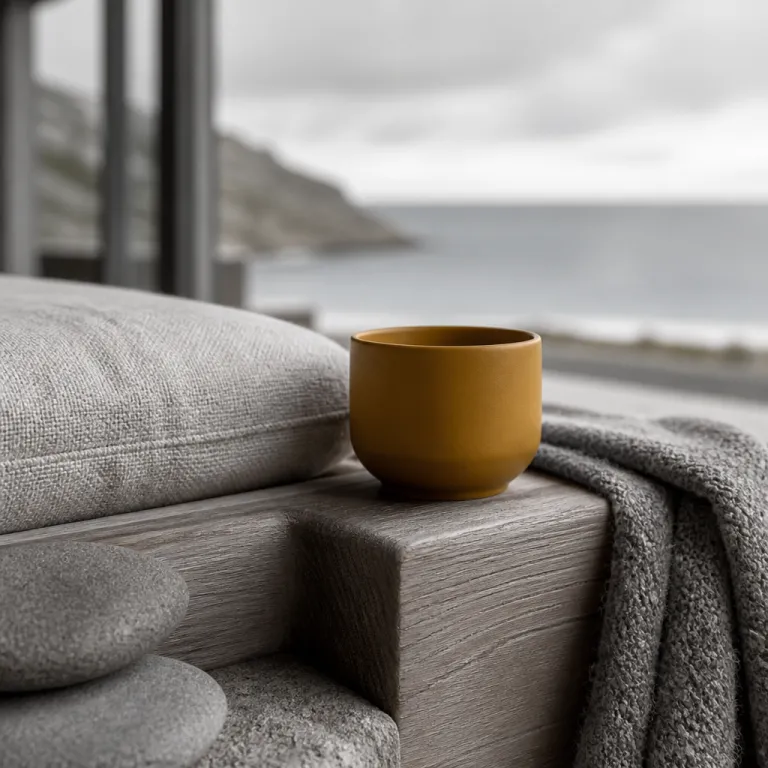
From statement walls to nervous system calm
The last decade in hotel design has been dominated by rooms that photograph beautifully. Yet the most sophisticated wellness focused travelers now ask how a hotel room shaped by calm, neuroscience informed design will actually make their nervous system feel after a twelve hour flight. The shift from theatrical spaces to quiet, neurologically intelligent hotel rooms is redefining luxury hospitality for guests who value recovery over spectacle.
Neuroaesthetic design applies neuroscience to understand how color, proportion, lighting and natural materials influence the nervous system and cognitive function. In this new era of digital detoxing, neuro aesthetic calm and hyper local authenticity, the best wellness hotel does not shout its personality; it regulates stress hormones, supports sleep quality and enhances mental clarity through almost invisible choices. Hotel designers now collaborate with neuroscientists and sleep researchers as equal partners, creating hotel room layouts and wellness design details that prioritize the guest experience of calm over any single Instagram shot.
Peer reviewed studies in environmental psychology and sleep medicine report measurable benefits from these neuroaesthetic spaces. For example, research by Beute and de Kort (2014, Journal of Environmental Psychology, doi:10.1016/j.jenvp.2013.08.002) links everyday exposure to natural elements with lower stress and better mood, while a field study by Yin et al. (2018, Building and Environment, doi:10.1016/j.buildenv.2018.04.040) associates views of greenery with reduced physiological arousal. A 2017 review by Souman et al. (Sleep Health, doi:10.1016/j.sleh.2017.01.009) concludes that optimized light exposure can improve sleep efficiency and circadian alignment in controlled settings. For business leisure travelers, that uplift in sleep and cognitive recovery can mean sharper meetings, more productive mornings and a more meaningful wellness retreat style weekend once the laptop finally closes.
The invisible architecture of rest: light, sound and proportion
Walk into a truly wellness focused hotel room and you may not immediately notice why your shoulders drop. The design is working on your nervous system through a carefully tuned system of circadian lighting, acoustic control and spatial proportions that feel intuitively right rather than theatrically bold. This is the quiet architecture of wellness hospitality, where every element is calibrated for sleep, recovery and mental clarity rather than for social media drama.
Circadian lighting systems now shift color temperature and intensity across the day to mirror natural light patterns, gently guiding the nervous system toward alertness in the morning and melatonin friendly calm at night. In leading wellness hotels, this lighting is often programmed between about 2700–3000 K in the evening and 4000–5000 K earlier in the day, and is paired with blackout shades, layered task lamps and dimmable warm glows that let guests curate their own wellness experiences without harsh contrasts. Acoustic engineering and discreet sound masking aim to keep background noise below roughly 30–35 dB at night, reducing cognitive load so the brain is not constantly scanning for intrusive noises while the guest tries to sleep or decompress after meetings.
Proportion matters as much as technology in this kind of hotel design. Ceiling height, corridor width and the distance between bed and window all influence how enclosed or expansive a room feels, which in turn affects stress levels and overall guest experience. Many contemporary wellness rooms target ceiling heights of at least 2.7 m, generous clearances around the bed and uncluttered sightlines to windows. For a deeper dive into how neutral palettes and tactile finishes support this neuroaesthetic calm, our guide to neutral tones and raw textures redefining hotel interiors explains why certain spaces feel instantly restorative while others subtly agitate the nervous system.
Biophilic design, natural materials and the science of feeling grounded
Biophilic design is the backbone of many wellness design strategies because the human nervous system evolved in nature, not in corridors. When hotel rooms integrate natural light, views of greenery and natural materials such as timber, stone and wool, guests experience lower stress and better cognitive function without necessarily knowing why. Neuroscientists describe this as a form of environmental recovery, where the brain rests from constant digital stimuli and reorients around slower, more organic patterns.
In practice, biophilic design in wellness hospitality goes far beyond a potted plant near the spa reception. The most thoughtful hotels frame long sightlines to outdoor views, use locally sourced woods and mineral rich stone, and specify textiles with subtle haptic interest so the touch of a headboard or throw blanket quietly reassures the nervous system. These natural spaces support global wellness trends that favor authenticity and locality, turning each hotel room into a micro wellness retreat rather than a generic container for sleep.
For business leisure travelers, this grounding effect is not a design flourish; it is a performance tool. A room that uses natural materials, controlled lighting and biophilic design to improve sleep quality will do more for next day cognitive clarity than any oversized television or decorative statement wall. When you evaluate hotels for your next trip, look for wellness experiences that reference biophilic principles explicitly, such as indoor greenery, daylight optimized facades or nature inspired artwork, because those properties are more likely to have consulted neuroscientists and interior designers on how every surface and view will shape your nervous system.
What to look for when booking: a neuroaesthetic checklist
Choosing a hotel through the lens of neuroscience informed room design requires reading beyond the headline images. Start by scanning descriptions for explicit mentions of circadian lighting, biophilic design, natural materials and wellness focused amenities that go deeper than a basic spa. These signals suggest the property understands how design influences the nervous system, not just how it appears in photographs.
Room layout is the next filter for a discerning guest who values recovery and cognitive performance. Prioritize hotel rooms where the bed faces natural light and calming views, where workspaces are ergonomically separated from sleep zones, and where lighting controls are intuitive rather than frustrating. A well considered system of bedside dimmers, blackout blinds and reading lamps allows guests to manage their own circadian rhythm, which is crucial for wellness tourism travelers crossing time zones.
Service language also reveals how deeply wellness hospitality is embedded in the property. Hotels that speak about wellness experiences in terms of nervous system regulation, sleep quality and mental clarity usually collaborate with neuroscientists or sleep experts rather than only spa brands. When planning longer stays, especially for destination celebrations or executive off sites, consider pairing a neuroaesthetic city base with a countryside property from our curated collection of refined Italian retreats to extend your wellness retreat feeling beyond the boardroom.
Business leisure case study: when a room becomes a recovery tool
Imagine landing from a transatlantic flight late evening, with a client presentation scheduled for the next morning. In a traditional design led hotel, you might step into a visually striking room with bold patterns, reflective surfaces and dramatic lighting that keeps your nervous system on high alert. In a wellness hotel shaped by calm, neuroscience guided design principles, the same arrival becomes the first step in a structured recovery ritual.
The room greets you with warm circadian lighting that mimics sunset, acoustic insulation that softens city noise and natural materials that feel grounded under bare feet. A thoughtfully placed spa style shower, perhaps with aromatherapy options, supports physical recovery while the bed faces a window framing quiet urban or garden views rather than a bright corridor. This choreography of spaces and sensory cues reduces stress, stabilizes the nervous system and sets up deeper sleep quality, which directly improves next day cognitive function and guest experience.
For executives who routinely blend meetings with short wellness retreat extensions, these invisible design decisions compound over time. Properties such as the Six Senses brand, which explicitly integrate sleep science, biophilic design and sensory regulation into their rooms, illustrate how treating each space as a wellness design laboratory can deliver better mental clarity, emotional balance and overall global wellness outcomes for guests. When you next scroll through hotels for a business trip, ask not which room will photograph best, but which spaces are quietly engineered to support your nervous system, your sleep and your long term recovery.
FAQ
What is neuroaesthetic design in a hotel context ?
Neuroaesthetic design in hotels is an approach that uses findings from neuroscience to shape rooms and public spaces so they positively influence the nervous system. It considers how lighting, color, proportion, sound and natural materials affect stress, sleep and cognitive performance. The goal is to create a hotel room that feels intuitively calming and supports wellness rather than simply looking stylish.
How does biophilic design promote relaxation for hotel guests ?
Biophilic design promotes relaxation by reconnecting guests with patterns found in nature, which the human nervous system interprets as safe and restorative. Elements such as natural light, views of greenery, organic textures and materials like wood or stone reduce stress responses and support mental clarity. Thoughtfully integrated biophilic elements can make a hotel room feel more like a restorative retreat than a transient space.
Why are calming colors often used in wellness focused hotel rooms ?
Calming colors such as soft neutrals and cool tones are used because they place less demand on the visual system and help regulate the nervous system. These palettes reduce visual noise, which supports relaxation and better sleep quality after long travel days. Designers often combine muted hues with natural textures to create a layered, soothing atmosphere that feels both contemporary and restorative.
How can I tell if a hotel room will support good sleep quality before I book ?
Look for descriptions mentioning blackout curtains, circadian lighting, acoustic insulation and high quality mattresses, as these features directly influence sleep. Photos that show the bed positioned near windows with natural light and away from noisy corridors are another positive sign. Reviews that reference quiet rooms, restorative sleep and a generally calm experience often indicate thoughtful neuroaesthetic design.
Is a wellness hotel worth the premium for business travelers ?
For frequent business travelers, a wellness hotel that applies neuroscience based room design principles can be worth the premium because it improves recovery and next day performance. Better sleep, lower stress and clearer thinking translate into more effective meetings and reduced travel fatigue over time. When you factor in long term health and productivity, the return on investment often exceeds that of purely decorative upgrades such as larger televisions or statement bathtubs.