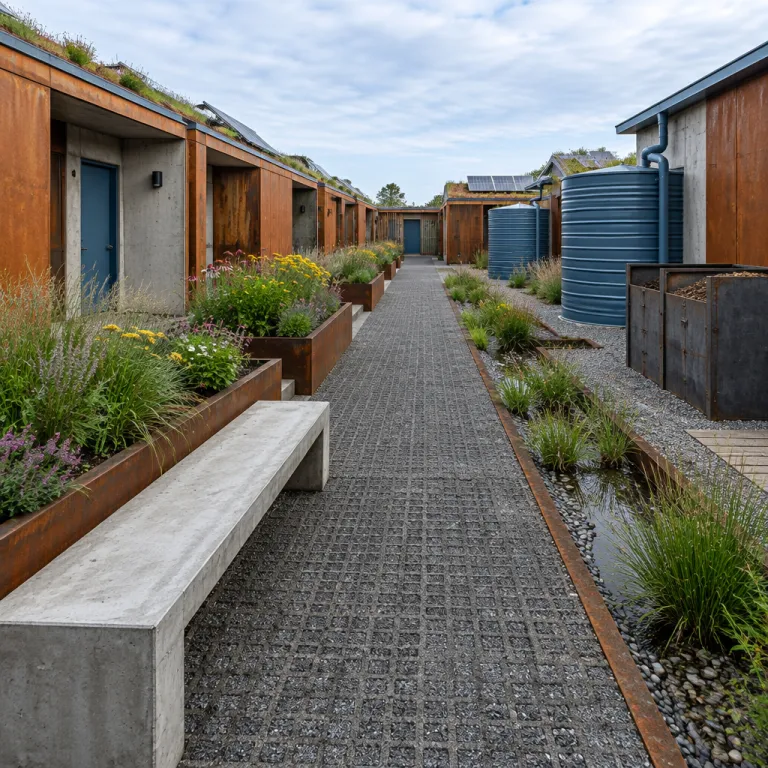
From sustainable tourism to regenerative hospitality in luxury stays
Regenerative tourism guest accommodation in 2026 signals a decisive shift in luxury hospitality. Couples who once asked whether a hotel was sustainable now ask whether their stay will actively repair ecosystems and strengthen local communities. This is where regenerative hospitality moves beyond traditional sustainable tourism and starts to reshape the tourism industry from the inside.
Think of tourism sustainable efforts as a spectrum that runs from “do less harm” to “leave a positive impact”. At one end sit carbon neutral travel tourism initiatives that simply reduce negative impacts, while in the middle you find sustainability tourism models that aim to maintain the status quo over the long term. At the far end lies regenerative tourism, where every guest experience is designed so that the place, the people and the environment are measurably better after you leave.
Luxury hospitality is now experimenting with a new business model that treats regeneration as a core service, not a side project. In this emerging future hospitality landscape, the most interesting hotels treat sustainability as a baseline and regenerative travel as the real point of difference. For couples planning their next travel, that means choosing hotels where your room rate funds reforestation, reef restoration or regenerative agriculture rather than just offsetting emissions. Pioneering examples include Soneva Fushi in the Maldives, which reports more than 500,000 trees planted through its Soneva Foundation since 2008 (as outlined in its publicly available impact updates), and Fogo Island Inn in Canada, where 100% of operating surpluses are reinvested into community programmes via the Shorefast social enterprise, a policy confirmed in Shorefast’s own financial disclosures.
How regenerative luxury feels when you check in
The most convincing regenerative tourism guest accommodation properties in 2026 feel quietly luxurious rather than worthy. You arrive after a long journey and the host already knows your flight was delayed, offering a cool drink made from local ingredients while explaining how your stay supports nearby communities. This is regenerative luxury in practice, where comfort, care and sustainable practices are woven into every detail of the hospitality experience.
In these hotels, wellness is not limited to the spa menu or a yoga deck with a view. Regenerative luxury stays often integrate on site regenerative agriculture, so your breakfast comes from soil that has been actively restored rather than depleted. At Six Senses Fiji, for instance, on site solar and battery systems reportedly generate up to 100% of the resort’s energy needs in peak conditions according to the brand’s sustainability fact sheets, while organic gardens and composting loops reduce imported food and waste. For couples seeking a wellness focused escape, pairing a regenerative travel itinerary with a carefully chosen luxury spa resort can be powerful, and curated platforms that highlight premium wellness booking options help you filter for properties where personal wellbeing and planetary health align.
Across the hospitality industry, this shift is changing what “premium” means for tourism. The most forward looking hotels now treat regenerative hospitality as a form of quiet status, where the real luxury lies in knowing your stay funds coral nurseries or apprenticeships for young people from local communities. At Costa Rica’s Lapa Rios Lodge, for example, more than 95% of staff are hired locally, a figure cited in lodge sustainability briefings, and guests can join reforestation walks that contribute to the protection of over 1,000 acres of rainforest. For discerning travelers, that creates a richer emotional return than any amenity list, because the impact of your visit extends far beyond the room and, as one community partner quoted in lodge case studies notes, “tourism becomes a tool for long term forest guardianship rather than short term extraction.”
Net positive hospitality in practice: what actually changes on the ground
Regenerative tourism guest accommodation in 2026 is built on measurable change, not vague promises. The Sustainable Hospitality Alliance describes net positive hospitality as “hospitality that leaves a positive impact on the environment and community”, and that definition is now shaping how serious properties design their operations. Their guidance sits behind a growing wave of hotels adopting net positive practices across the global tourism industry, including members of the Alliance’s Pathway to Net Positive Hospitality, which sets science based targets for emissions, water and waste and is detailed in the Alliance’s publicly accessible pathway documents.
On the environmental side, regenerative tourism projects often link each guest night to a specific outcome, such as a set number of native trees planted or square metres of wetland restored. Some hotels run their own regenera inspired farms, where regenerative agriculture techniques rebuild soil health while supplying the kitchen with seasonal produce. Others partner with conservation organisations to monitor biodiversity, publishing clear sustainability tourism metrics so guests can see how their travel contributes to long term ecosystem recovery rather than short term marketing wins. At Grootbos Private Nature Reserve in South Africa, for instance, long term monitoring has documented the protection of more than 2,500 hectares of fynbos habitat and the discovery of new plant species, with impact reports made publicly available through the Grootbos Foundation and cited in independent conservation research.
Social impact is just as central to this new hospitality business model. Genuine regenerative hospitality prioritises high local hiring ratios, fair wages and training programmes that help local communities build careers in luxury hospitality rather than just seasonal jobs. When you choose a property that shares transparent data on community projects, you are supporting tourism regenerative initiatives that strengthen education, crafts and cultural preservation in the place you visit, and resources such as this guide to genuinely sustainable hotels can help you separate substance from slogans. The Sustainable Hospitality Alliance’s 2023 report on social impact highlights case studies where hotels have delivered thousands of hours of vocational training and significantly increased local procurement, demonstrating how net positive models can scale while also acknowledging that data gaps and informal work can make full impact measurement challenging.
Reading between the lines: spotting genuine regenerative travel claims
For couples browsing a luxury booking website, the language around regenerative tourism guest accommodation in 2026 can feel dense. Many hotels now reference sustainable tourism, sustainability tourism or regenerative travel, yet the depth of commitment varies dramatically. Your task is to distinguish marketing gloss from a serious long term strategy that reduces negative impacts and creates net positive outcomes.
Start by looking for specific, verifiable information rather than vague adjectives about being green or eco friendly. Serious players in the hospitality industry publish clear data on energy use, water consumption, waste reduction and biodiversity gains, often using sustainability frameworks and impact assessment tools developed with organisations such as the Sustainable Hospitality Alliance or guided by UNWTO recommendations on responsible tourism, including UNWTO’s reports on tourism and climate action. They also explain how they engage local communities, from co designing excursions with local guides to supporting small producers through guaranteed purchasing agreements.
Technology is quietly reshaping how this information reaches you before you book. Some advanced platforms now use guest preference data to highlight properties whose sustainable practices align with your values, and this kind of responsible personalisation is explored in depth in analyses of how hotels use AI for tailored stays. When you see a hotel articulate its regenerative hospitality commitments with the same precision it applies to room descriptions, you can be more confident that the impact of your stay will be real rather than symbolic. As one operator quoted in a recent Sustainable Hospitality Alliance case study put it, “If we cannot show the numbers behind our story, we have not done the work,” a reminder that credible restorative tourism depends on transparent evidence, not just aspirational language.
Planning a regenerative tourism itinerary as a couple
Designing a trip around regenerative tourism guest accommodation in 2026 starts with a mindset shift. Instead of asking which hotel has the best pool or the largest suite, you ask which place will be healthier because you chose to stay there. That single change reframes travel tourism as a partnership between guests, hosts and local communities rather than a one way transaction.
Begin by mapping destinations where regenerative tourism and tourism sustainable initiatives are already gaining momentum. Industry gatherings such as ITB Berlin have helped push regenerative luxury and future hospitality concepts into the mainstream, and many of the most interesting hotels now share detailed sustainability tourism reports online. When you shortlist properties, look for those that integrate sustainable practices into every layer of operations, from energy systems and building materials to food sourcing and community engagement. UNWTO’s reports on tourism and climate action, along with the Sustainable Hospitality Alliance’s Pathway to Net Positive Hospitality, offer useful benchmarks for what credible progress looks like, even if methodologies and regional data quality can vary.
Once you arrive, lean into the experiences that make regenerative hospitality tangible. Join guided walks that explain local ecosystems, visit community led projects supported by your hotel and choose activities that channel your spending toward small businesses rather than global chains. Over time, as more travelers reward this business model with their bookings, the tourism industry will shift further toward regenerative approaches, and your romantic escape becomes part of a much larger story about how luxury hospitality can help repair the world. A couple staying at Fogo Island Inn, for example, might join a community host to learn traditional boat building, directly supporting cultural preservation while creating memories that last far longer than a standard excursion.
FAQ
What is net positive hospitality in practical terms ?
Net positive hospitality means that a hotel or guest accommodation leaves the environment and local communities better off than before your stay. It goes beyond reducing harm to create measurable benefits, such as restored habitats, improved livelihoods or enhanced cultural programmes. When a property tracks these outcomes transparently, you can see how your visit contributes to positive change, often through annual impact reports aligned with frameworks from the Sustainable Hospitality Alliance or UNWTO.
How can travelers support net positive stays without increasing their budget ?
Many regenerative properties price their rooms competitively, so choosing them does not always mean paying more. You can prioritise stays that publish clear sustainability data, work closely with local communities and integrate regenerative practices into daily operations. Small choices, such as joining conservation activities or spending with local businesses, amplify the impact of your visit. Even opting for off peak travel or longer stays can reduce per night emissions while increasing the stability of local employment.
Are net positive and regenerative tourism the same thing ?
Both concepts aim for outcomes where tourism actively improves places rather than just sustaining them. Net positive hospitality focuses on leaving a clear surplus of environmental and social benefits, while regenerative tourism emphasises restoring ecosystems and community resilience over the long term. In practice, many leading properties use both ideas to guide how they design guest experiences and measure impact, drawing on tools such as the Sustainable Hospitality Alliance’s net positive pathway and peer reviewed research on ecosystem restoration.
How do I know if a hotel’s regenerative claims are credible ?
Look for specific commitments, such as published impact reports, third party certifications and detailed descriptions of projects with local communities. Credible hotels share data on energy, water, waste and biodiversity, and they explain how guest spending supports conservation or social programmes. If information is vague or limited to marketing slogans, the regenerative claims are likely superficial, and cross checking with independent sources such as UNWTO publications or Alliance case studies can help you verify what you read.
Will regenerative luxury change the wider tourism industry ?
As more travelers choose regenerative stays, successful examples create a powerful signal for the hospitality industry. Hotels that prove net positive business models can be profitable encourage competitors to adopt similar sustainable practices. Over time, this feedback loop can shift the tourism industry toward approaches where luxury and regeneration reinforce each other rather than compete, especially as investors, regulators and guests increasingly expect transparent reporting on climate, nature and community impact.