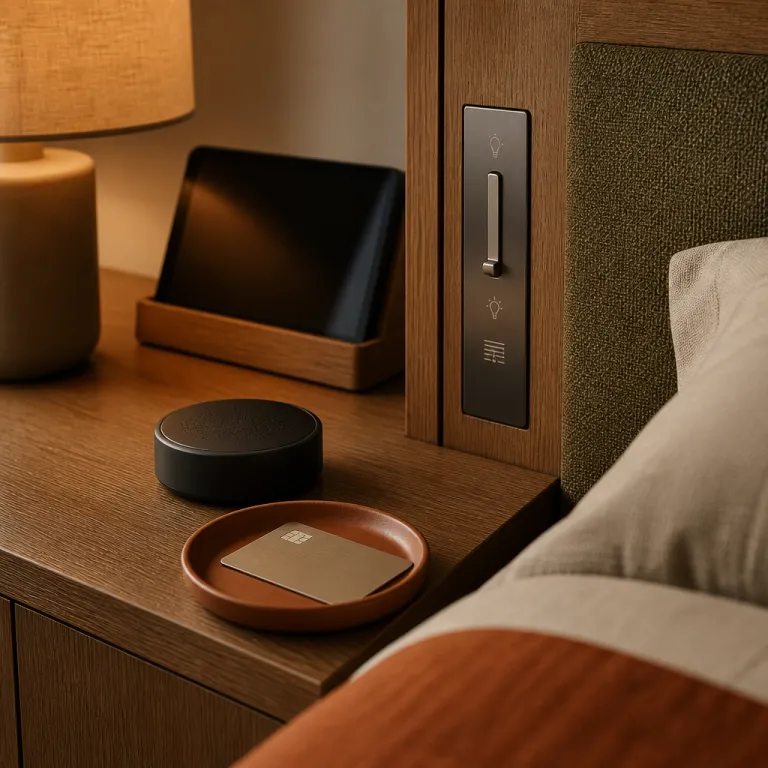
Why smart hotel room technology now defines modern luxury
Step into a premium hotel today and the smartest luxury often hides in plain sight. With most households now using at least one connected device, guests quietly expect next generation smart hotel room technology as a baseline rather than a bonus. For business leisure travelers, that means a room that behaves like a well trained assistant, not a complicated gadget showroom.
Across the hospitality industry, this shift is reshaping how hotels design spaces, select technology and train teams for daily operations. Executives extending a work trip into a long weekend now judge a property on its hospitality tech as sharply as on its linen thread count or wine list. The hotel industry understands that connected hospitality is no longer a niche experiment but a core driver of guest satisfaction, loyalty and revenue.
Behind the scenes, hotel technology has moved from isolated systems to integrated, cloud based platforms that talk to each other in real time. Property management systems, revenue management tools and room technology now share data to support seamless hotel operations and more precise revenue strategies. For you as a guest, the result should be simple; the hotel feels intuitive, efficient and quietly personal from check in to late checkout.
Inside the smart room: voice controls, adaptive lighting and AI concierges
The most convincing smart hotel room technology 2026 setups start with restrained, reliable voice controls. In the best hotels, a system such as Josh.ai lets a guest say "dim the lights" or "set the room to 21 degrees" and the room responds instantly without drama. When voice recognition works with high command recognition accuracy, it feels like discreet service rather than a tech demo.
Lighting is where smart hospitality becomes quietly transformative, especially after a late flight or long conference room session. Partners such as Govee now provide adaptive lighting systems that shift brightness and colour temperature through the day, supporting circadian rhythms and reducing jet lag fatigue. As one technical style explanation notes without embellishment: "Adaptive lighting adjusts brightness and color temperature based on time of day and occupancy."
AI concierges are the third pillar of this new hospitality technology landscape, and they are finally moving beyond novelty. At a recently opened showcase property in Las Vegas, an AI powered concierge robot handles routine questions, leaving human hosts free for nuanced, high value interactions. The working definition is refreshingly clear: "AI concierges are artificial intelligence systems that assist guests with services and information."
For a deeper breakdown of how these systems shape the guest experience, our guide to smart room technology from voice controls to anticipatory service walks through real world hotel tech configurations. It explains how hotel technology trends move from pilot projects to everyday standards in both city hotels and resort properties. Reading it before you book helps you check whether a hotel’s digital promises match the reality of its rooms.
From contactless check in to predictive maintenance: what actually works
Contactless check in has quietly evolved from a health measure into a marker of considered luxury. In a well run hotel, you complete the digital check on your phone, walk straight to your room and the door unlocks without a queue or a form in sight. The guest experience feels curated rather than rushed, because the front desk team can focus on complex requests instead of typing passport numbers into systems.
Smart hotel room technology 2026 also lives in the infrastructure you never see, particularly in predictive maintenance. Sensors in air conditioning units, showers and lighting feed data into cloud based management platforms that flag issues before they interrupt a stay. Industry case studies from major brands consistently report double digit energy savings when hotels use these solutions intelligently, which directly supports both sustainability goals and long term revenue management.
For an executive traveller, the benefit is simple; fewer surprises and more consistent comfort across different hotels and destinations. When predictive systems monitor equipment in real time, the chance of a failed thermostat or flickering light during a crucial presentation drops sharply. Properties that embrace integrated hotel operations show how aligning technology, maintenance and service culture can protect both guest satisfaction and the bottom line.
If you want to understand how pricing and quality interact in this new era of hospitality tech, our analysis of the luxury quality reckoning in high room rates offers useful context. It explains why some hotels invest in robust hotel tech while others rely on cosmetic upgrades that do little for the real guest experience. Reading it alongside this min read style guide helps you judge whether a property’s technology trends are meaningful or merely decorative.
The friction problem: when smart rooms become too clever
Not every smart hotel room technology 2026 upgrade improves a stay, and seasoned travellers know it. You have probably met the over ambitious tablet that controls every room function but needs three taps to switch off a bedside lamp. In those hotels, technology trends feel like a performance for the industry rather than a thoughtful response to guests.
Common friction points include password locked televisions, opaque privacy settings and lighting systems that require a tutorial. When hospitality technology is layered without coherent management, guests end up juggling multiple apps, remotes and logins just to relax after a long day. The hospitality industry sometimes forgets that the best tech solutions are the ones that quietly disappear into the background of the guest experience.
Smart hospitality should reduce cognitive load, not add to it, especially for business leisure travellers switching between work and rest. Before you book, check whether a hotel explains its room technology clearly on its website or pre arrival emails, ideally with a simple guide. Properties that invest in thoughtful digital transformation usually provide concise instructions, intuitive interfaces and a clear point of contact when systems misbehave.
How to read between the lines of smart room marketing
Marketing language around smart hotel room technology 2026 can be slippery, so it pays to interrogate the details. When a hotel promises a "smart room", ask which specific systems are in place and how they are integrated into daily operations. A single voice assistant on the bedside table is not the same as a fully orchestrated suite of hospitality tech solutions.
Look for signs that the hotel technology stack is cloud based and connected to core management systems rather than bolted on. If the property mentions integrated revenue management, real time data analytics and centralised room technology controls, it usually indicates a more mature digital strategy. In those hotels, artificial intelligence is likely supporting both guest facing services and back of house hotel operations, from housekeeping schedules to energy optimisation.
Guest reviews remain a powerful filter, especially when you focus on comments about reliability and support rather than novelty. Pay attention to whether guests praise the responsiveness of staff when tech glitches occur, because that reveals the true culture behind the systems. For a sense of how high end properties balance technology with human service, study case studies such as refined Caribbean luxury stays at One Sandy Lane, where the emphasis remains on anticipation rather than automation.
Practical checklist: what to ask before you book a smart room
When you are choosing between hotels, a structured set of questions helps you cut through the noise. Start by asking the property to check which smart features are standard in your chosen room category, from voice controls to adaptive lighting and streaming ready televisions. Clarify whether these systems are optional, because some guests prefer a more traditional room with minimal digital layers.
Privacy is the next non negotiable topic in any conversation about smart hotel room technology 2026 and beyond. Ask how the hotel handles guest data, whether voice recordings are stored and how long any personal preferences remain in their systems after checkout. The dataset guidance is reassuring here: "Are voice-controlled hotel rooms secure?" is answered simply with "Yes, modern systems prioritize privacy and data security."
Finally, explore how the hotel industry property uses technology trends to support your specific travel pattern as a business leisure guest. If you need a conference room with integrated hotel tech, real time connectivity and virtual reality capabilities for presentations, confirm those details before you commit. A property that treats hospitality technology as a strategic asset will answer these questions with clarity, while a less prepared hotel may struggle to explain its own operations.
Key figures shaping smart hotel room technology
- Hilton’s Connected Room programme has reported higher satisfaction scores among users, illustrating how hotel technology can lift loyalty metrics when it is tightly integrated into hotel operations. Public statements from the company highlight improved guest ratings when travellers can personalise temperature, lighting and entertainment from their own devices.
- Energy savings in the low double digits are commonly reported in properties that use adaptive lighting and connected room technology, according to internal brand case studies and vendor white papers. These reductions strengthen both sustainability credentials and long term revenue management by lowering operating costs without compromising comfort.
- Independent testing of modern voice systems in hospitality environments shows that current platforms are reliable enough for everyday room controls rather than limited pilot projects, with accuracy rates that support routine tasks such as adjusting climate or requesting housekeeping.
- Major hotel groups now track guest satisfaction specifically for digital touchpoints, confirming that well executed smart room features directly influence perceived service quality. Internal dashboards often separate scores for mobile check in, in room controls and digital concierge tools.
- Market research from sources such as Statista indicates that more than four out of five households are expected to own at least one smart home device in the coming years, which means guests increasingly arrive with established expectations for room technology in every segment of the hospitality industry.
FAQ about smart hotel rooms and hospitality technology
What exactly is meant by smart hotel room technology 2026?
The term smart hotel room technology 2026 refers to a mature generation of integrated systems that control lighting, climate, entertainment and services through connected devices. These systems use artificial intelligence, sensors and cloud based platforms to adapt to guest preferences automatically across multiple stays. In practice, that means a room that remembers your ideal temperature, preferred lighting scenes and even favourite streaming apps whenever you return to participating hotels.
How do AI concierges change the guest experience?
AI concierges handle routine questions and simple requests, such as restaurant hours or extra towels, through chat interfaces, in room tablets or lobby robots. By automating these repetitive tasks, hotels free human staff to focus on complex, high touch interactions that define luxury hospitality. Guests benefit from faster responses in real time while still having access to knowledgeable hosts for nuanced recommendations and problem solving.
Are voice controlled hotel rooms really secure?
Modern hospitality technology platforms are designed with strict privacy and security protocols, including encrypted communications and limited data retention. Reputable hotels work with established technology partners, conduct regular audits and allow guests to mute or disable microphones in the room. As the dataset states clearly: "Are voice-controlled hotel rooms secure?" is answered with "Yes, modern systems prioritize privacy and data security."
What should I check before booking a smart room for work and leisure?
Business leisure travellers should confirm Wi Fi speed, desk ergonomics and conference room access alongside any smart features. It is wise to ask whether the hotel tech supports secure VPN connections, screen casting to in room displays and flexible lighting scenes for both work and rest. You should also check how quickly staff can override systems manually if a digital control fails during a critical call or presentation.
How can I make the most of smart features during a short stay?
On arrival, spend two minutes exploring the main controls for lighting, temperature and service requests so you avoid frustration later. Many hotels now provide a quick digital guide or in room card explaining basic voice commands and app functions, which is worth reading once. If something feels unintuitive, call the front desk early; well trained teams can often adjust settings remotely or suggest simple workarounds that restore comfort without fuss.