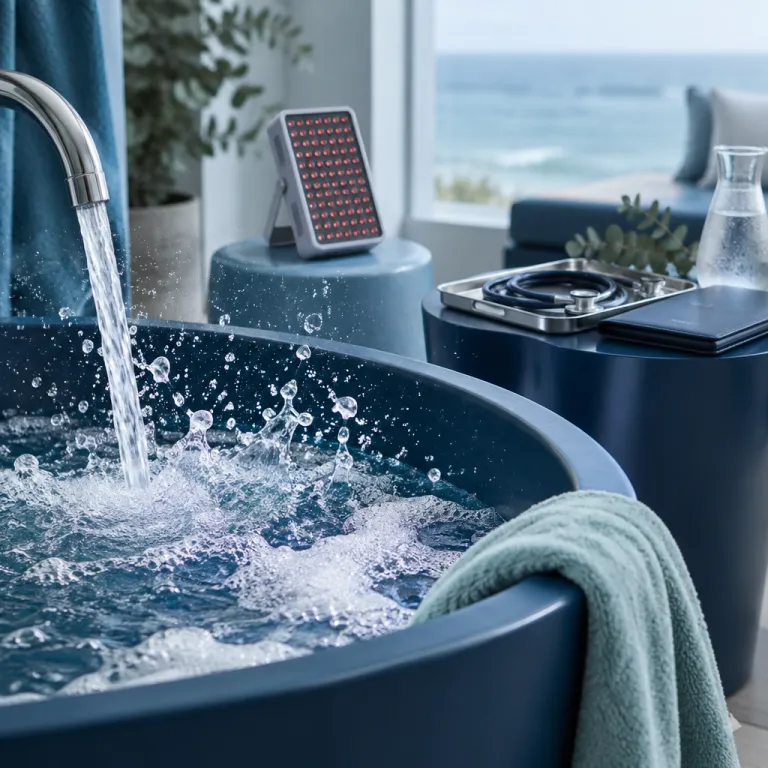
Why a longevity focused hotel feels different from a classic spa stay
A new kind of guest accommodation is emerging quietly yet decisively. These longevity focused hotels blend wellness medicine with clinical level therapies such as red light therapy, cold plunge immersion, hyperbaric oxygen sessions and structured recovery protocols. The result is a stay that treats your body and mind as data informed terrain rather than a passive recipient of scented oils.
Traditional spa hotels still matter for rest, but they are built around relaxation, pampering touch and atmospheric light rather than measurable health outcomes. In a longevity hotel the wellness club often sits beside a consultation room, where a medical director or functional medicine physician reviews your health history before you book your first therapy session. You are not just reserving a massage ; you reserve a sequence of therapies designed to help you feel better in a long term, sustainable way.
This shift changes everything from check in to check out, because the staff speak the language of nervous system regulation, inflammation markers and sleep architecture as fluently as they discuss room categories. You might move from a hyperbaric chamber to an infrared sauna, then to compression therapy and a supervised ice bath or cold water immersion, all tracked as part of a structured recovery plan. The core promise is simple yet ambitious ; these hotels aim to deliver a system reset for the whole body, not just a pleasant afternoon at the spa.
From scented candles to clinical protocols : what “wellness meets medicine” really means
When wellness meets medicine in a hotel, the spa becomes a hybrid clinic where therapies are sequenced, dosed and evaluated rather than simply offered à la carte. You still feel the soft robe, the warm touch and the dimmed red light in treatment rooms, but behind the scenes there is a protocol for every session and a clear rationale for each therapy. A solo explorer can arrive exhausted and leave with a structured plan for sleep, stress and physical recovery rather than a vague sense of having been pampered.
Many of the most forward thinking hotels now integrate hyperbaric oxygen therapy, IV micronutrient drips, infrared sauna cabins and red light therapy panels into multi day programs. In Florida, for example, several high end wellness retreats pair cold plunge pools and contrast therapy circuits with medical consultations, creating three day intensives that feel more like private health camps than casual spa weekends ; you can explore this style of curated stay through a Florida wellness retreat guide to luxury escapes under 1 700 euros. The emphasis is on measurable shifts in health markers such as heart rate variability, sleep efficiency and perceived stress scores.
For guests, this means asking different questions before they book, because you are no longer choosing only between a larger room or a better view. You will want to know whether the hyperbaric chamber is supervised by qualified clinicians, how many minutes of light therapy are recommended per session and whether cold water immersion is paired with breathwork to protect the nervous system. The more a property can explain its therapies in plain language, the more confidence you can have that its version of wellness medicine is grounded in evidence rather than marketing.
Inside the new longevity toolkit : from red light therapy to hyperbaric oxygen
Walk into a serious longevity hotel today and the wellness menu reads more like a sports medicine clinic than a traditional spa brochure. You might see red light therapy for mitochondrial support, hyperbaric oxygen sessions for tissue recovery, infrared sauna programs for detoxification and compression therapy for circulation. Each therapy is positioned as a tool to help your body feel better, not as a stand alone indulgence.
Red light therapy uses specific wavelengths of red and near infrared light to stimulate cellular energy production, and many hotels now offer both short targeted sessions and longer full body experiences. Infrared sauna cabins, sometimes combined with plunge infrared contrast therapy circuits, allow you to alternate deep penetrating heat with a cold plunge or ice bath to train your nervous system and cardiovascular resilience. Hyperbaric oxygen therapy, delivered in a pressurized hyperbaric chamber, can support recovery after long haul flights, intense training blocks or periods of chronic stress.
Some properties go further with PEMF therapy mats, which use pulsed electromagnetic fields to support body mind coherence and potentially improve sleep quality. Others add system reset protocols that combine light therapy, cold water immersion, guided breathwork and gentle movement in a single ninety minute session. When you book these therapies in sequence, the hotel is effectively offering a mini longevity clinic where every touch point, from the spa reception to the wellness club lounge, is designed to help you help feel more aligned with your long term health goals.
How to choose and book a clinical wellness stay with confidence
Selecting the right longevity focused hotel starts long before you reserve a room, because you are entrusting your body to a team that blends hospitality with medicine. Begin by checking whether the property clearly names its medical director, lists practitioner qualifications and explains how therapies such as hyperbaric oxygen, red light therapy and PEMF therapy are supervised. A credible hotel will share how many guests typically use its wellness club each day and how it manages safety for cold plunge pools, infrared sauna cabins and ice bath sessions.
Next, look for signs that the hotel personalizes protocols rather than selling generic spa packages, since true longevity work is never one size fits all. Ask whether there is a pre arrival health questionnaire, whether your nervous system status and sleep patterns are considered and whether post stay follow up is offered to support long term change. A serious property will also explain how it sequences contrast therapy, compression therapy and light therapy to avoid overloading the body, especially for solo travelers arriving after long flights.
Finally, pay attention to how the hotel talks about time, because a meaningful system reset rarely happens in a single afternoon. Properties that treat your schedule as a precious resource often design slow, layered itineraries that alternate intense therapies with restorative touch based treatments and unstructured rest ; this philosophy is explored in depth in an essay on slow hospitality and what happens when a hotel treats your time as the product. When you book, clarify how many sessions of each therapy are included, whether you can reserve extra time in the hyperbaric chamber or infrared sauna and how the team will help you feel better without pushing your body beyond its current capacity.
What a day looks like at a wellness medicine hotel
A typical day at a wellness medicine hotel feels choreographed yet surprisingly gentle. You might wake to soft natural light, sip mineral rich water and head straight to a short red light therapy session to cue your circadian rhythm. After a tailored breakfast that respects your health goals, a clinician could guide you through breathwork to prepare your nervous system for cold water immersion or an ice bath.
Late morning might bring a supervised cold plunge, where you alternate between cold pools and warm plunge infrared or infrared sauna cabins as part of a contrast therapy circuit. Staff monitor your body language, breathing and recovery time, ensuring that the experience challenges you without overwhelming your system. Afterwards, compression therapy boots and a quiet room with oxygen enriched air help your body mind axis shift from stress to integration.
Afternoons often focus on deeper therapies such as hyperbaric oxygen sessions in a shared or private hyperbaric chamber, followed by PEMF therapy on a mat that encourages full body relaxation. A hands on spa treatment might close the loop, using skilled touch to integrate the day’s work and help you feel better both physically and emotionally. By evening, you are not just tired in a pleasant way ; you are aware that each session has nudged your long term health in a specific, intentional direction.
Using premium booking platforms to match your needs with the right therapies
For travelers used to scrolling through endless hotels, the rise of clinical wellness properties demands a more curated approach. A premium booking website for guest accommodations that specializes in wellness can filter for hotels with a medical director, a full spectrum of therapies and a clearly articulated longevity philosophy. Instead of generic icons for a spa or sauna, you should see detailed listings for red light therapy, hyperbaric oxygen, infrared sauna, cold plunge pools and PEMF therapy facilities.
On a well designed platform, each property page reads like a mini dossier, outlining which therapies are available, how many sessions are included in standard packages and what kind of practitioners you will meet. Some sites now highlight whether a hotel offers a wellness club membership model, long term residency programs or short intensive stays, allowing you to reserve the format that best matches your goals. A dedicated guide to luxury spa resorts and premium wellness booking platforms can be a useful starting point when you want to compare clinical depth rather than just room rates.
When you are ready to book, use the platform’s messaging tools to ask precise questions about nervous system safety, system reset protocols and how the team sequences cold water immersion with heat based therapies. Clarify whether you can reserve extra time in the hyperbaric chamber, whether compression therapy is available after long flights and how the staff will help you feel better if you arrive depleted. The more transparent and specific the answers, the more likely it is that the hotel’s promise of longevity focused wellness medicine is backed by state of the art practice rather than aspirational language.
Key figures shaping wellness medicine and longevity travel
- Global wellness tourism is projected to approach 900 billion dollars in value by the end of this decade, with luxury hotels rapidly expanding clinical style wellness offerings to capture travelers seeking measurable health outcomes rather than simple relaxation, according to reporting by Forbes.
- Industry analyses from the Global Wellness Institute indicate that wellness tourism has been growing at roughly twice the rate of general tourism, underscoring why more hotels are investing in hyperbaric oxygen suites, infrared sauna facilities and red light therapy rooms as core revenue drivers.
- Market research on longevity and anti aging services shows that treatments such as IV vitamin therapy, cryotherapy and PEMF therapy are among the fastest growing segments within spa and wellness revenue, pushing guest accommodations to hire medical directors instead of relying solely on spa managers.
- Surveys of wellness travelers in the United States suggest that a significant share of solo explorers and couples now prioritize access to evidence based therapies like cold plunge circuits, compression therapy and structured recovery programs when choosing where to reserve their next stay.
FAQ : booking a stay where wellness meets medicine
How is a longevity focused wellness hotel different from a traditional spa hotel ?
A longevity focused wellness hotel integrates medical oversight, data informed protocols and clinical grade therapies such as hyperbaric oxygen, red light therapy and PEMF therapy. Traditional spa hotels prioritize relaxation and sensory pleasure, often centering on massage, sauna and cosmetic treatments without medical supervision. In a longevity property, your stay is structured around health outcomes and long term recovery rather than a single indulgent afternoon.
Is red light therapy and cold plunge work safe for first time guests ?
When properly supervised, red light therapy and cold plunge or ice bath sessions can be safe for most healthy guests, but they are not appropriate for everyone. Reputable hotels screen for cardiovascular issues, pregnancy and other contraindications before allowing cold water immersion or intense contrast therapy. Always share your full health history with the medical team and start with shorter, closely monitored sessions.
What should I ask before I book a clinical wellness stay ?
Before you reserve, ask whether the hotel has a named medical director, what qualifications the practitioners hold and how therapies such as hyperbaric oxygen, infrared sauna and compression therapy are supervised. Clarify whether there is a pre arrival assessment, personalized protocol design and post stay follow up to support long term change. You should also ask how many therapy sessions are included in your package and whether you can adjust the schedule based on how your body feels during the stay.
Can a short stay really create a meaningful system reset for my body and mind ?
A three to five night stay can initiate a system reset by combining targeted therapies, structured recovery and education about sleep, stress and movement. However, the most effective hotels frame these intensives as catalysts for long term habits rather than quick fixes, often providing digital follow up or referrals to local practitioners. The real value lies in learning how your nervous system responds to tools like light therapy, cold water immersion and PEMF therapy so you can integrate them safely at home.
How do I know if a wellness medicine hotel is worth the premium price ?
A wellness medicine hotel justifies its rates when it offers qualified medical oversight, state of the art equipment, small guest to practitioner ratios and clear communication about expected outcomes. Look for transparent descriptions of therapies, realistic promises and a willingness to say no if a treatment is not right for you. If the property treats your time, your health data and your body with the same care it gives to design and service, the premium is often well spent.