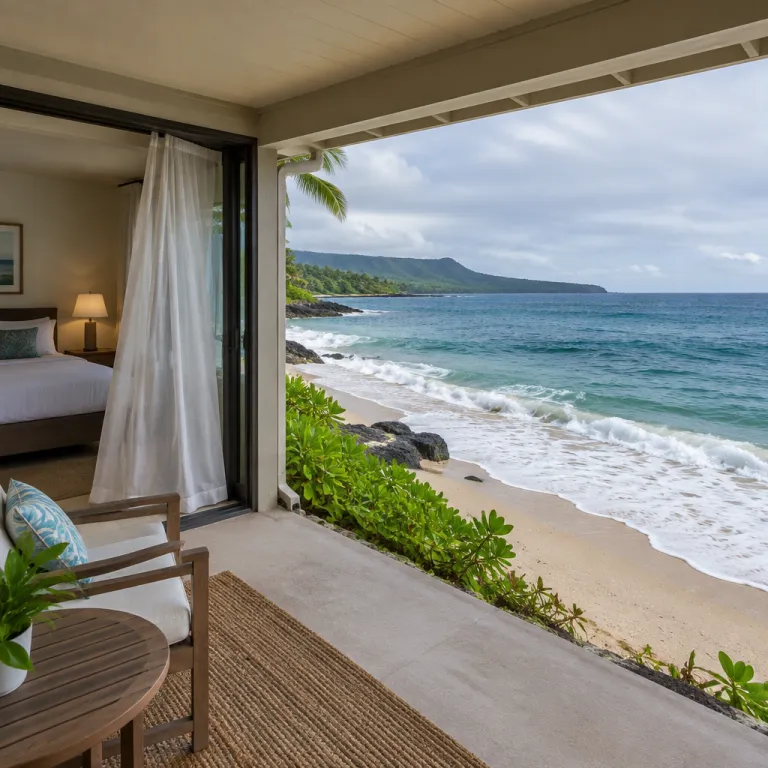
How to choose the best location to stay in Maui
Choosing the best location to stay in Maui starts with your priorities. The island offers very different atmospheres between west Maui, south Maui, the remote east coast near Hāna, the north shore, and the cooler upcountry slopes, so your decision shapes every day of your trip. Think about how much you want to drive, how close you need to be to beaches, and whether you prefer a polished beach resort, a condo in a local town, or independent vacation rentals.
For many travelers, the best area to stay balances easy beach access with refined restaurants and a range of luxury resorts. West Maui around Kāʻanapali, Kapalua, Napili Bay, and the Lahaina area delivers that classic Hawai‘i vacation image, while south Maui around Wailea and Kīhei offers some of the island’s driest weather and calmest beaches. If you plan a longer trip island-wide, a split stay between these coasts lets you enjoy both the resort area glamour and quieter local neighborhoods without repeating long drives.
When you evaluate places to stay, compare the style of each Maui resort, the layout of the beach, and how the surrounding resort area feels after sunset. Kāʻanapali Beach and the wider Maui Kāʻanapali corridor suit guests who want to walk between several beach resorts, shops, and hotels without using a car. By contrast, a place to stay in south Kīhei or Wailea often means more driving between beaches and restaurants, but you gain a calmer residential feel, easier access to Haleakalā and the Road to Hāna, and a wider choice of self-catering condos.
West Maui: Kāʻanapali, Kapalua, Napili Bay and Lahaina
West Maui is often the best location to stay in Maui if you dream of golden sand, fiery sunsets, and a continuous line of luxury resorts. The Kāʻanapali and wider Maui Kāʻanapali stretch forms a true beach resort promenade, where you can stroll from one beach resort to another, stop at oceanfront restaurants, and book sailing trips directly from the sand. This is the part of the island where the word stay becomes an experience, not just a room key, with snorkeling at Black Rock and sunset cruises departing just offshore.
Kapalua and Napili Bay sit a little farther north, offering quieter beaches and a more intimate resort area, while still delivering high-end hotels and villas. Many guests choose these places to stay when they want a luxury stay Maui escape focused on golf, spa time, and calm swimming coves rather than nightlife. Lahaina town, heavily damaged by the August 2023 wildfires, is gradually reopening in phases; check current county and state guidance, road closures, and respectful travel recommendations before planning visits to its historic sites.
On this coast, you will find some of the island’s most established Maui resort addresses, from large-scale resorts to discreet vacation rentals tucked above the shoreline. West Maui is also practical for boat excursions to nearby snorkeling spots and for guests who prefer to stay in one area and avoid long drives on the Road to Hāna. Typical drive times from Kāʻanapali to Kahului Airport are about 45–60 minutes in normal traffic, so factor that into early flights or dinner reservations elsewhere on the island.
South Maui: Wailea, Kīhei and the south Kīhei shoreline
South Maui rivals west Maui as the best location to stay in Maui, especially if you value sunshine and swimmable beaches above all. Wailea is the island’s showcase for luxury, with manicured grounds, calm crescent beaches such as Wailea Beach and Polo Beach, and some of the most exclusive hotels and resorts in Hawai‘i. Just north, Kīhei and the longer south Kīhei strip offer more casual places to stay, with vacation rentals and smaller hotels lining the coast opposite family-friendly beaches like Kamaʻole I, II, and III.
Average daily rates for hotels in south Maui are typically higher than the island-wide mean, reflecting the concentration of high-end properties and premium beach access; recent tourism reports often place Wailea and nearby areas among the priciest parts of the island. In Wailea, you will find a curated selection of restaurants, golf courses, and spas, making it ideal for a relaxed Hawai‘i vacation where you rarely need to leave the resort area. Kīhei, by contrast, is known for value, with many vacation rentals and long-term rentals that appeal to guests who want a longer stay Maui experience without paying Wailea prices.
For travelers comparing places to stay across the world’s great coastal destinations, the polished service in Wailea’s luxury resorts can feel similar to the elevated cliffside experiences of Mediterranean honeymoon escapes. South Kīhei is also a strategic place to stay if you plan to explore both the north shore and west Maui during a single trip. With quick road links to central Maui and the airport, this south coast makes it easier to reach the Road to Hāna at dawn, then return to your beach resort or condo before sunset.
Hāna, east Maui and the north shore: when isolation is the real luxury
For some travelers, the best location to stay in Maui is not a busy resort area but a secluded corner of the island where time slows down. Hāna Maui on the east coast offers that feeling, with a handful of hotels, small resorts, and vacation rentals scattered between rainforests, waterfalls, and black sand beaches such as Waiʻānapanapa. Staying overnight here transforms the famous Road to Hāna from a rushed day trip into a gentle journey, with quiet mornings on nearly empty beaches and less pressure to drive the full loop in one day.
The north shore around Pāʻia and nearby communities provides another alternative to the classic beach resort model, with characterful rentals and a more local rhythm. This area stay suits guests who prioritize surf breaks at Ho‘okipa, farm-to-table restaurants, and quick access to both central Maui and the upcountry slopes of Haleakalā. While you will not find long lines of luxury resorts here, many visitors consider this coast the best area for feeling the island’s everyday life rather than its curated resort side.
Hāna and the north shore work best as part of a split trip Maui itinerary, combined with a few nights in west Maui or south Maui for easier swimming beaches and more dining options. “Where should a first-time visitor stay in Maui? West Maui’s Kāʻanapali or South Maui’s Wailea.” That expert guidance remains sound, but returning guests often add a night or two in Hāna Maui or along the north shore to deepen their connection with the island and experience quieter roads at sunrise and sunset.
Upcountry and central Maui: strategic bases beyond the beach
Not every stay in Maui needs to be directly on the beach, especially for travelers who value cool nights, open views, and quick access to the island’s interior. Upcountry Maui, around Kula and Makawao, offers hillside lodgings where you can watch sunrise or sunset over the island, then drive down to beaches in south Maui or the north shore during the day. This area stay is ideal for guests planning early morning visits to Haleakalā National Park or those who prefer a quieter, rural atmosphere after time in a busy beach resort.
Central Maui, including Kahului and Wailuku, focuses more on practicality than on ocean views, but it plays an important role in many trip Maui plans. Hotels and vacation rentals here often cost less than in Wailea or Kāʻanapali, and you gain very short transfers to the airport plus central road access to west Maui, south Maui, and the Road to Hāna. Travelers who arrive late at night or depart early sometimes book a place to stay in central Maui for the first or last night, then move to a beach resort for the core of their Hawai‘i vacation.
When you compare these inland places to stay with coastal resorts, consider how often you truly plan to use the beach each day. If your itinerary focuses on hiking, farm visits, and scenic drives, an upcountry rental or small Maui resort can be the best area for your style, even without direct beach access. Thoughtful design, on-site gardens, and personal service can make these non-beachfront properties feel just as special as oceanfront hotels, especially when paired with clear night skies and cooler evening temperatures.
Matching Maui’s regions to your luxury travel style
Once you understand each region, the best location to stay in Maui becomes a question of matching your travel style to the right coastline. West Maui, with Kāʻanapali, Kapalua, and Napili Bay, is better for a full-service resort experience, while south Maui around Wailea and Kīhei excels at combining beaches with easier island-wide exploring. Hāna Maui and the north shore suit guests who see isolation and nature as the ultimate luxury, and upcountry or central Maui work well for practical, exploration-focused stays.
Luxury travelers often choose a split stay Maui itinerary, spending four or five nights in a beach resort on Kāʻanapali Beach or in Wailea, then two or three nights in Hāna or upcountry. This approach reduces daily driving, lets you experience multiple beaches and restaurants, and spreads your budget between high-end resorts and more modest rentals. It also allows you to compare different Maui resort cultures, from the polished service of large properties to the personal touch of independent vacation rentals and villas.
When you evaluate specific hotels, resorts, and rentals, look beyond the room photos to understand how each property connects you to the surrounding area. Consider walking distance to beaches, the variety of nearby restaurants, and how easy it is to reach other parts of the island for day trips. Is it better to stay in west Maui or south Maui? Both coasts are generally dry and sunny; west Maui delivers a full resort vibe with more oceanfront promenades, while south Maui offers easier island exploring and a wider mix of luxury and mid-range options.
Practical booking tips for premium and luxury stays in Maui
For a premium stay in Maui, timing and flexibility matter as much as the region you choose. Wailea and west Maui currently command some of the island’s highest rates, with south Maui hotel averages often reported above the island-wide daily rate and vacation rentals in popular zones sometimes priced even higher. Booking early is essential for the best area and room categories, especially for beachfront suites and villas in Kāʻanapali, Kapalua, and Wailea during school holidays and winter.
Consider whether a beach resort or a high-end vacation rental better suits your trip Maui plans, particularly if you are traveling as a family or group. Resorts offer structured amenities, multiple restaurants, and on-site activities, while rentals in Kīhei, south Kīhei, or Napili Bay can provide more space, kitchens, and privacy at a similar overall cost. The cheapest area to stay is usually Kīhei condos or central Maui near the airport, which can free budget for special experiences such as helicopter tours, guided snorkeling, or private dining.
Finally, think about logistics before you confirm any place to stay, from parking fees at large resorts to minimum stay rules at luxury rentals. Factor in driving times between west Maui, south Maui, the Road to Hāna, and Haleakalā, especially if you only have a short Hawai‘i vacation; for example, Wailea to Haleakalā summit can take around 90 minutes each way. By aligning your chosen area stay with your daily plans, you transform a simple stay into a seamless island experience that feels both indulgent and effortless.
Key figures for planning where to stay in Maui
- Recent tourism and accommodation reports indicate that average daily rates for hotels in south Maui are substantially higher than the island-wide hotel average, reflecting the concentration of luxury resorts in Wailea and nearby areas.
- Vacation rental average daily rates on the island are often comparable to, or higher than, many traditional hotels and resorts, especially for oceanfront condos and villas in west and south Maui.
- Wailea and west Maui currently command some of the highest accommodation rates on the island, so travelers seeking value often look to Kīhei or central Maui for more affordable places to stay.
- Split stays are increasingly common for seven-night trips, with guests dividing time between a west Maui or south Maui beach resort and a quieter region such as Hāna, the north shore, or upcountry.
FAQ: choosing the best location to stay in Maui
Where should a first time visitor stay in Maui for beaches and convenience ?
First time visitors usually do best in west Maui’s Kāʻanapali area or in south Maui’s Wailea, because both regions combine excellent beaches, a wide choice of hotels and resorts, and easy access to restaurants and activities. These coasts also receive some of the island’s driest weather, which increases your chances of sunny beach days. From either area, you can join organized excursions to other parts of the island without long self drives, and typical transfer times from the airport are under an hour.
Is it better to stay in west Maui or south Maui for a luxury trip ?
West Maui is better if you want a classic resort strip atmosphere, with Kāʻanapali Beach, Kapalua, and Napili Bay offering multiple large-scale resorts, shops, and oceanfront promenades. South Maui, especially Wailea, excels at refined luxury with manicured grounds, calm coves, and a slightly quieter ambiance that still offers high-end restaurants and spas. Both regions work well for a luxury Hawai‘i vacation, so your choice depends on whether you prefer a livelier or more tranquil setting.
Which area of Maui is usually the cheapest for accommodation ?
Kīhei and central Maui near the airport typically provide the lowest nightly rates, especially for condos and simpler hotels. These areas lack the concentration of large luxury resorts found in Wailea and Kāʻanapali, which helps keep prices more accessible. Many travelers choose to stay in Kīhei for value, then drive to other beaches and attractions around the island, accepting 20–45 minute drives in exchange for lower accommodation costs.
Should I split my stay between different regions of Maui ?
Splitting your stay between two regions is an effective way to reduce driving and experience more of the island’s variety. A common pattern is to spend several nights in a beach resort in west Maui or south Maui, then add one or two nights in Hāna, the north shore, or upcountry. This approach lets you enjoy both resort comforts and quieter, more natural settings without long daily commutes along the same roads.
Do I need a car if I stay in a Maui beach resort ?
Staying in a major beach resort area such as Kāʻanapali or Wailea allows you to walk to beaches, restaurants, and some activities, but a car remains useful for exploring other parts of the island. If you plan to drive the Road to Hāna, visit Haleakalā, or dine in different towns, renting a car for at least part of your trip is advisable. Guests who prefer not to drive can rely on organized tours, shuttles, and private transfers, but this limits spontaneous exploration and access to less visited beaches.